Vaccination Schedule for Goats and Sheep
This sheep and goat vaccination schedule outlines common vaccines used for lambs, kids, adult animals, along with recommended timing throughout the year.
Vaccination is an important part of keeping sheep and goats healthy. A consistent vaccination program helps protect animals from common diseases that can cause illness, production losses, or sudden death. While each operation may have slightly different needs, most sheep and goat vaccination programs follow a similar timeline based on the animal's age and stage of production. Working with your veterinarian can help determine the best vaccination plan for your flock or herd.
The table below summarizes the typical vaccination schedule used for sheep and goats.
| Age or Stage | Vaccine | Notes |
|---|---|---|
| 2-4 weeks before lambing/kidding | Vaccine CD&T booster for dam | Notes Helps antibodies pass through colostrum |
| 6-8 weeks | Vaccine CD&T | Notes First dose protecting against overeating disease and tetanus |
| 6-8 weeks | Vaccine Respiratory Vaccine | Notes Protection against Mannheimia haemolytica |
| 8-12 weeks | Vaccine CD&T booster | Notes Strengthens immunity |
| 8-12 weeks | Vaccine Respiratory booster | Notes Given if first respiratory vaccine was administered |
| Weaning | Vaccine Coccidiosis prevention | Notes May include a coccidiostat under veterinary guidance |
| Annually | Vaccine CD&T booster | Notes Maintain immunity in adult animals |
What is the CD&T Vaccine for Sheep and Goats?
One of the most common vaccines used in sheep and goats is the CD&T vaccine. This vaccine protects against three serious diseases:
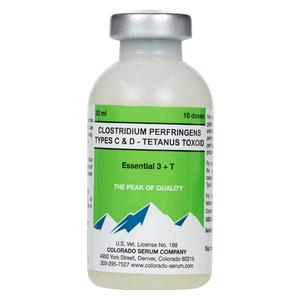
Clostridium perfringens type C and D are associated with enterotoxemia, often called overeating disease. This condition can develop quickly and may cause sudden illness or death, especially in young animals.
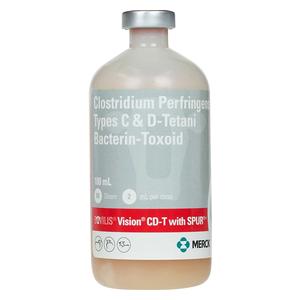
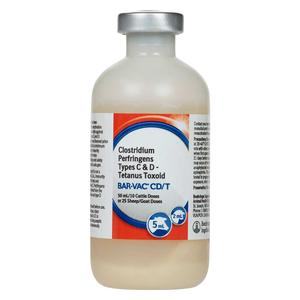
Example CD&T vaccines include:
Tetanus is another serious risk for sheep and goats. It can occur when bacteria enter the body through wounds, including procedures such as castration or tail docking.
Because these diseases can progress rapidly and are often fatal, CD&T vaccination is considered a core vaccine for most sheep and goat operations.
Vaccinating Lambs and Kids
Young animals typically begin their vaccination program between 6 and 8 weeks of age.
Some producers vaccinate young animals for respiratory disease caused by Mannheimia haemolytica, especially in operations where pneumonia has been a concern. A booster vaccination is typically given 3-4 weeks after the first dose to strengthen immunity.
Vaccination for Breeding Ewes and Does
Adult animals require annual booster vaccinations to maintain protection. Breeding animals are commonly vaccinated 2-4 weeks before lambing or kidding. This timing is important because it allows antibodies to pass from the dam to the newborn through colostrum. High-quality colostrum is critical for lambs and kids since they are born without significant immune protection. When newborn animals nurse soon after birth, they receive antibodies that help protect them during the first weeks of life.
Additional Vaccines to Consider
Some vaccines are used only when specific diseases are present in a flock or herd. Producers may consider these vaccines depending on disease history and veterinary guidance.
Caseous Lymphadenitis (CL)
Vaccination may help reduce the severity of infection in herds where CL is already present.
Contagious Ecthyma (Soremouth)
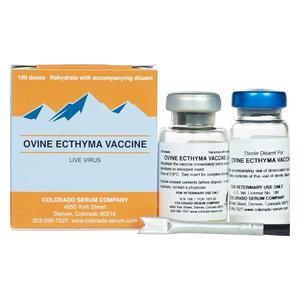
This vaccine may be used in flocks with a known history of soremouth to help reduce clinical signs.
Reproductive Disease Vaccines
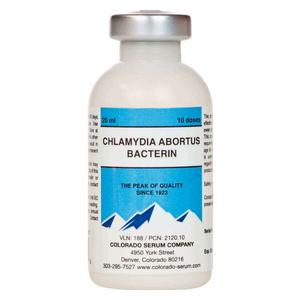
Breeding animals may also be vaccinated against reproductive diseases caused by:
Your veterinarian can help determine if these vaccines are necessary.
Following a consistent health program helps reduce disease risk and supports healthier sheep and goats throughout the year.
-
-
-
-
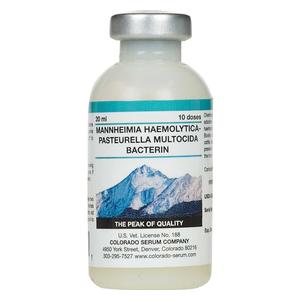
Mannheimia Haemolytica Pasteurella Multocida Bacterin Cattle, Goat and Sheep Vaccine
Colorado SerumAs low as:$10.49 -

-