Goat Deworming Guide: Managing Internal Parasites
Internal parasites are often one of the greatest health threats to goats.
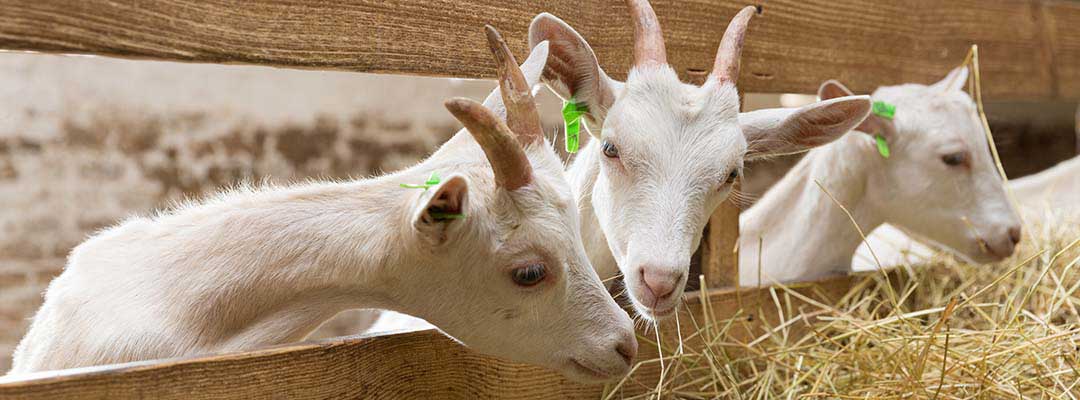
Internal parasites are often one of the greatest health threats to goats. Parasite infections can reduce weight gain, decrease milk production, and in severe cases cause anemia or death if not managed properly.
The problem has been compounded by the ability of the parasite population to develop resistance to dewormers, making it necessary to deworm strategically only the most severely affected animals, rather than deworming all animals in a herd.
Identifying Goats That Need Deworming
Deciding which animals to deworm can be aided by using the FAMACHA© score, which measures anemia by comparing the color of the lower eyelid to a color chart, and is especially valuable when dealing with the barberpole worm.
Another helpful management tools is the Five Point Check© system, which expands beyond FAMACHA scoring and evaluates several physical indicators of parasite problems:
Using these evaluation methods allows producers to identify goats with heavier parasite burdens and treat those animals while leaving animals untreated. This targeted approach helps slow the development of parasite resistance.
Deworming Around Kidding
A doe’s immunity to internal parasites can temporarily decrease around kidding. This period typically begins two to four weeks before birth and can continue to six to eight weeks after kidding, which may lead to increased parasite egg shedding and greater pasture contamination.
Because of this natural drop in immunity, parasite egg shedding may increase and lead to greater pasture contamination during the kidding period.
Some parasites, such as threadworms, may also be transmitted from the doe to the kid through the placenta, making parasite control in pregnant does an important preventative step.
Management Practices That Help Reduce Parasites
Strategic deworming works best when combined with other parasite management practices. These may include:
Classes of Dewormers for Goats
It is now proven that rotating between classes of dewormers is not an effective tool to prevent build-up of resistance. Generally, using a single class of dewormer for as long as it is effective is preferred to attempting to rotate between classes.
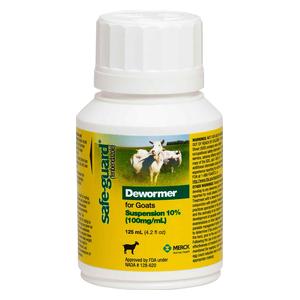
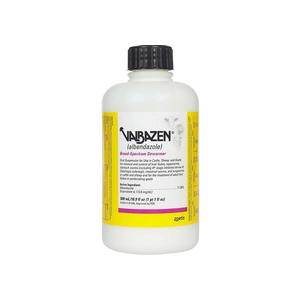
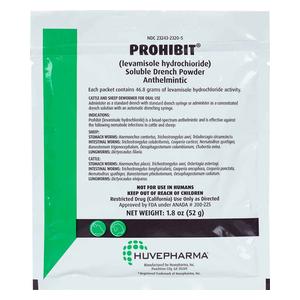
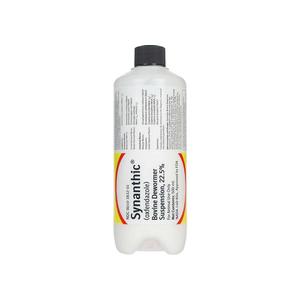
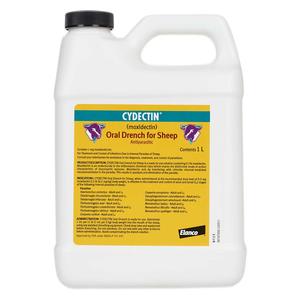
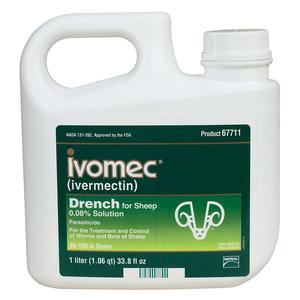
Although dewormers for cattle are available as pour-ons, orally as liquids or paste, and injectables, when deworming goats, it is necessary to use the oral route to be effective. Since most of the dewormer products are labeled for sheep rather than goats, when using a sheep product in goats, most veterinarians recommend doubling the sheep dosage, except for levamisole, which is usually increased by 1.5 times to avoid toxicity.