Ensure Your Horse's Dental Health
Published on: 5/15/2025Key Takeaways
- Dental pain can drive behavior issues. Research shows abscessed cheek teeth and periapical infections commonly cause pain that presents as undesirable or misunderstood horse behavior.
- Signs often go unnoticed by owners. Nearly half of cheek tooth abscesses are discovered during routine dental exams, meaning behavior changes are frequently misattributed to training or attitude issues.
- Behavioral red flags fall into three categories. Changes in eating and drinking habits, resistance to the bit, and general behavior shifts like aggression, withdrawal or poor performance can all indicate dental pain.
- Annual dental exams are essential. Regular veterinary dental evaluations help identify painful conditions early, before they progress or significantly impact performance and well-being.
- Dental care supports overall horse health. Routine oral exams, alongside vaccinations and deworming, play a key role in maintaining comfort, performance and long-term wellness.
“Could dental pain be the culprit for your horse’s behavioral problems?” asked Jeff Hall, DVM, senior equine technical services veterinarian with Zoetis.
A study published in the Journal of Equine Veterinary Science established a link between common equine behavior problems and abscessed cheek teeth. Periapical infections or abscessed cheek teeth are common in horses and will usually induce pain that is displayed in your horse’s behavior. According to the research, half of the cases of periapical infections were diagnosed during routine dental examinations, indicating that horse owners were unaware of the association between undesirable behavioral patterns of their horses and dental pain.
Behavioral Problems Linked to Tooth Pain
Common behavioral signs associated with cheek teeth abscesses fall into three main categories.
- Eating and drinking
- Eating slowly or taking frequent pauses while eating hay
- Turning his head while eating or dropping hay or grain from his mouth
- Dipping hay in water or avoiding drinking cold water
- Bit-related
- Evading the bit
- Headshaking, lolling tongue or opening his mouth when ridden and/or driven with a bit
- Rein contact worse on one side of the mouth
- Resistance to bridling
- General
- Withdrawn, intense stare, aggressive behavior or self-harm to his head
- Avoiding social interaction with other horses and people
- Bad-smelling breath
- Poor performance, such as a decline in athletic ability
If your horse is expressing any of these behavioral signs, work with your equine veterinarian to conduct an annual oral and dental examination. Depending on your horse’s age, level of performance and overall condition of the teeth, additional examinations throughout the year may be needed.
What to Expect During a Dental Exam
“I find that horse owners are sometimes hesitate to schedule annual dental exams because they are unsure about what goes into an exam and what their horse will experience,” Dr. Hall said. “Dental exams are a safe, routine procedure that should be conducted by your veterinarian proactively every year.”
A thorough dental exam can take between 10 to 30 minutes and includes:
-
- An assessment of external structures of the horse’s head and soft tissues (e.g., lips, cheeks and lymph nodes)
- An examination of internal structures (e.g., tongue, palate, gums and cheeks)
- The visualization and palpation of teeth
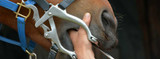
During examination, veterinarians use a full mouth speculum. A full mouth speculum is a piece of equipment that fits onto a horse’s head, similar to a bridle, with mouth plates that fit between the front teeth to hold a horse’s mouth open. This allows for a more complete visualization and palpation of most aspects of the teeth.
Equine dental care, horse vaccinations and horse wormers all play an important role in their overall health and wellness.
About the author: This content was originally provided by Zoetis, and Jeff Hall, DVM, senior equine technical services veterinarian for Zoetis, with minor additions included from Valley Vet Supply.
Whether for horse, livestock, or pet, Valley Vet Supply is your one-stop shop for trusted care. Explore more of our horse category at ValleyVet.com