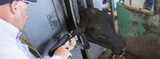
Why Perform Routine Checks on Calf Implants and Cattle Implants?
Published on: 5/15/2025Key Takeaways
- Correct implant administration is essential for performance and profit, as a 10% error rate can cost producers up to $11 per head, leading to major financial loss across large groups of cattle.
- Routine implant checks 30 to 60 days after administration help verify proper location, pellet alignment and the absence of defects that prevent effective absorption.
- Common problems to watch for include implants placed too close to cartilage or ear tags, crushed or bunched pellets and abscesses or walled-off implants.
- Success improves when sanitation, low-stress cattle handling and ongoing employee training are prioritized during implanting.
- Even small technique adjustments can significantly improve implant performance and protect long-term return on investment.
It’s nearly impossible to get the most out of an implant if it isn’t administered correctly. That’s why it’s important to conduct routine implant checks, whether you’re implanting calves or fat cattle in the feedyard. Why’s it so important? First off, incorrect administration could equal up to an $11 loss per head with a 10% error rate, which when multiplied can add up to a $10,000 loss per 1,000 head on feed. That’s dropping a lot of dollars! Conduct implant checks 30 to 60 days after administration to help ensure a successful outcome.
“Conducting implant checks often provides a learning opportunity for employees and can help protect the investment and profit potential implants provide,” said Dr. Douglas Hilbig, Beef Technical Services veterinarian with Zoetis, the company that manufacturers the cattle implant line, Synovex, including Synovex C, Synovex H, Synovex S and more, including 200-day duration implants for both pasture cattle and feedlot cattle.
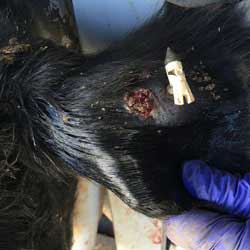
3 important things to evaluate during an implant check: location, orientation and implant defects
- Location: Is the implant in the middle third or “top shelf” of the ear? Is the implant a finger’s width away from any ear tags or holes? Is the pellet under the skin and clear of the ear cartilage?
- Orientation: Are the pellets lined up in a straight line? Or are the pellets bunched or crushed?
- Defects: Are abscesses present, or is the implant walled-off so the pellet can’t be effective?
Inattention to detail and moving too quickly often influence the quality of implant administration. If issues occur, small adjustments in technique and environment can provide a drastic improvement. That will optimize implant success, which means more dollars.
3 additional things to keep in mind when implanting: sanitation, stress and employee training
- Sanitation: A clean ear, needle and environment are extremely important. Each dirty or wet ear should be cleaned before implanting. Dirt and debris should be brushed off the ear in one consistent direction to avoid driving dirt further into the ear. Disinfecting solutions and sponges should also be changed regularly to help avoid contamination. Always wear rubber gloves to prevent any additional dirt from entering the implant site.
- Minimize stress: Low-stress cattle handling during implanting is important. Properly restrain animals and use Beef Quality Assurance best practices to help keep animals quiet and reduce unexpected movements.
- Employee training: Doing routine implant checks provides an opportunity for real-time evaluation and additional training opportunities for your ranch hands. Training on specific implanting equipment can help improve success and effectiveness.
This content was originally provided by Zoetis, with additions included from Valley Vet Supply.
Watch the video below for additional implanting technique and sanitation tips.
Whether for horse, livestock, or pet, Valley Vet Supply is your one-stop shop for trusted care. Explore more of our cattle implants category at ValleyVet.com