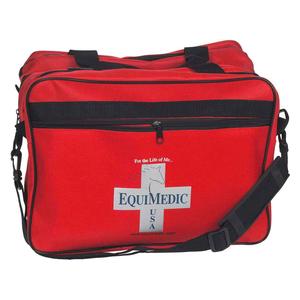
Equine Emergency Preparedness Kit: Essential Supplies for Horse Owners
Is your equine emergency kit ready? This guide covers every essential supply horse owners need from first aid and medications to evacuation gear and documentation.
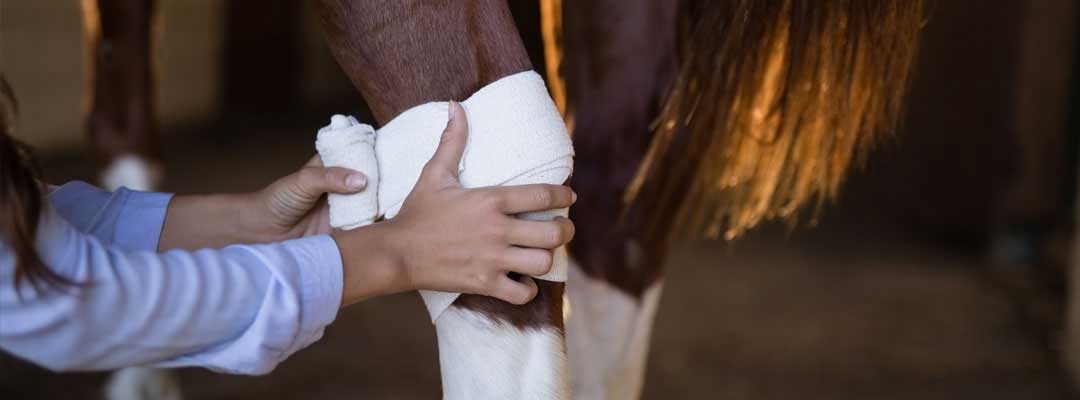
Why Every Horse Owner Needs an Emergency Plan
If you have horses, it's only a matter of time before you need quick access to a first aid kit. Having essential supplies on hand provides peace of mind and helps you respond quickly in an emergency.
Before building your equine first aid kit, there are a few best practices to consider when time matters most.
"To prepare for unexpected situations, create a protocol, gather the correct supplies, and communicate with and train everyone involved. You can't just do one and not the other two and expect success," says Dr. Laura Meier, Technical Service Veterinarian at Valley Vet Supply.
Equine First Aid Essentials
Understanding that at some point your horse may experience injury, you may consider buying an already-made equine first aid kit or building your own.
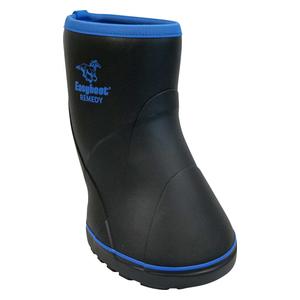
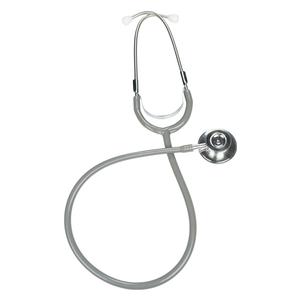
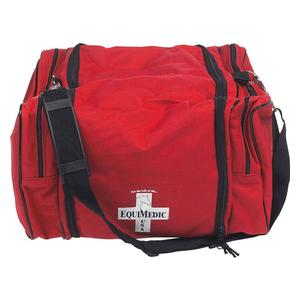
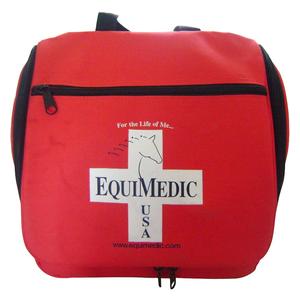
Valley Vet Supply offers a range of equine first aid kits to help horse owners stay prepared, including:
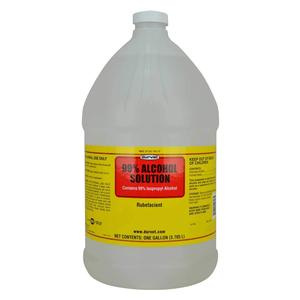
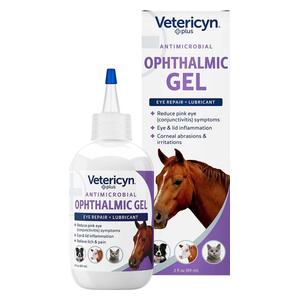
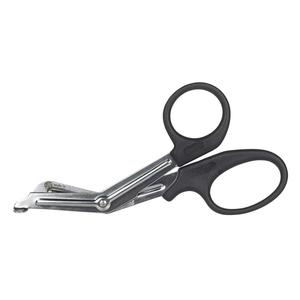
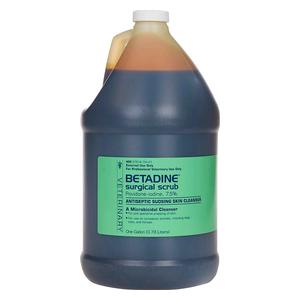
What should be in a horse first aid kit?
Evacuation Supplies and Trailer Readiness
In addition to first aid supplies, planning for emergency is just as important.
Tornadoes and Hurricanes
In severe weather situations, a common question is whether to keep horses stalled or turn them out. This often depends on the strength of your facility. A well-built, secure barn can provide protection from flying debris, but only if loose items are properly secured. If shelter is not reliable, turnout may be the safer option.
Store enough fresh water ahead of time to provide each horse with 5 to 10 gallons per day in case disrupted water access limits availability.
Barn Fires and Evacuation
Barn fires can happen quickly, so prevention and preparation are key. Regularly inspect wiring and electrical systems to reduce the risk of fire.
If evacuation becomes necessary, having a plan in place can make a critical difference. Keep halters and lead ropes easily accessible for every horse. Also, keep a trailer ready with essential supplies and practice loading your horses so they are familiar with the process and easier to handle under stress.
Plan multiple evacuation routes in advance, especially in areas prone to wildfires, so you can move quickly and safely if needed. If you're looking to build out a more complete plan, the UC Davis School of Veterinary Medicine provides an equine emergency preparedness guide with practical recommendations.
Medications to Keep on Hand
In addition to a first aid kit, it can be helpful to keep a small supply of commonly used medications on hand. Always consult your veterinarian before you select or administer any medication, and only use products your veterinarian recommends for your specific horse and situation.
"Treating in a timely manner increases your chances of having a positive outcome. Having the appropriate medications on hand so your vet can potentially coach you through until they get there can make a big difference," says Dr. Meier.
Pain and Inflammation Support
Digestive Support and Colic Management
Parasite Control
Ulcer Prevention and Digestive Health
Vaccines
Horse ID and Documentation
Equine microchips are a reliable way to link horses to their owners and can be especially valuable during emergencies, travel, or competitions. A microchip is a small device placed under the skin that contains a unique identification number, similar to an ID number for your horse. Some microchips can also assist with temperature monitoring.
For added, visible identification, tools like the I.C.E. ManeStay Equine Emergency ID and I.C.E. Clip-On Equine Emergency ID provides quick access to your contact information, helping others identify and reach you if your horse comes separated.
Every horse owner should keep several important documents on hand:
When traveling with your horse, such as to shows or across state lines, a negative Coggins test and a Certificate of Veterinary Inspection are commonly requested. Keeping those documents organized and easily accessible can save time and help avoid delays.
Water, Feed, and Nutrition Backup
Planning ahead for feed and water disruptions is an important part of horse care, especially during severe weather or emergencies. Keep an adequate supply of hay and feed on hand to last several days to a week, and store it in a clean, dry area to prevent spoilage. Always keep fresh water available, so store backup water or arrange access to an alternative source if the normal supply gets interrupted.
If changes to feed are necessary, make adjustments gradually whenever possible to avoid digestive upset. Keep extra hay, a reserve of grain, and electrolytes on hand to help maintain your horse's condition until you restore normal routines.
Where to Source Your Equine Emergency Supplies
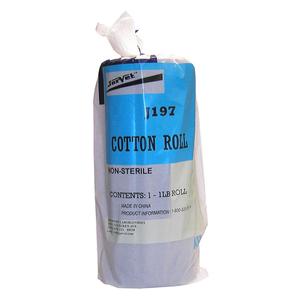
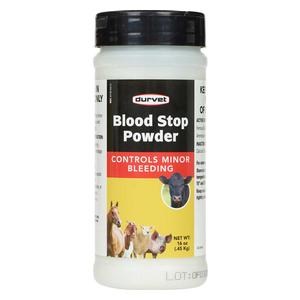
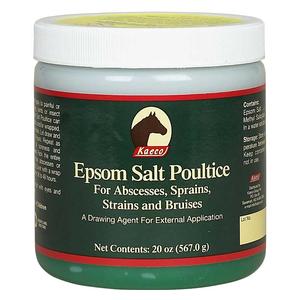
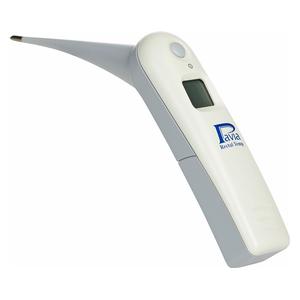
Having the right supplies on hand matters when something happens. At Valley Vet Supply, you can find the essentials needed to build a reliable equine first aid kit, from gauze pads and wound care solutions to thermometers and everyday basics. Being prepared helps you respond quickly and care for your horse when it counts.
Frequently Asked Questions
How do I prepare my horse for a wildfire evacuation?
Have a plan in place and practice it so you're not figuring things out under pressure. Keep halters and lead ropes easy to access, and if possible, have a trailer ready to go. Preparing ahead of time can save valuable time when it matters most.
What medications should horse owners keep on hand?
Common items to keep on hand include dewormers, wound care sprays, and medications for pain and inflammation. These basics can help you manage routine care and
How do I identify my horse in an emergency?
People may identify horses by brands, markings, or a microchip, depending on the individual animal. In situations where an emergency is approaching, some owners also attach information, such as a phone number or address, to the halter, mane, or tail. A clear way to identify your horse helps ensure someone returns them quickly if they get separated.
What documents should I keep in my horse's emergency file?
Keep important records in one place, including a negative coggins test, Certificate of Veterinary Inspection, proof of ownership, vaccination records, and breed registration papers if applicable. Store them somewhere safe, and when you travel, keep them easily accessible in case you need them.
Whether for horse, livestock or pet, Valley Vet Supply is your one-stop shop for trusted care. Explore more of our horse supplies category at ValleyVet.com.