
How to Properly Clean Reusable Syringes
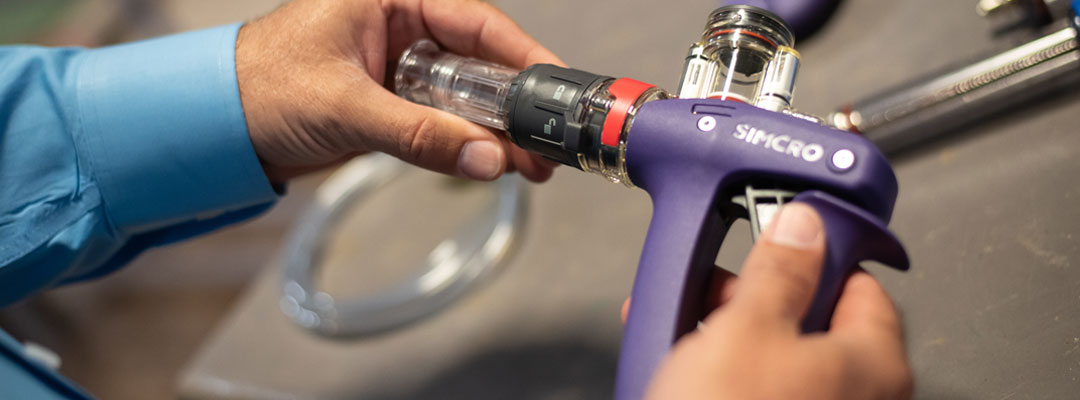
Proper cleaning of reusable syringes after every use is essential for accurate dosing, long service life, and protecting the effectiveness of vaccines and medications. Residue left behind can harden over time, interfere with moving parts, or inactivate vaccines. Fortunately, when done correctly, syringe cleaning is both simple and effective.
Common Practices That Can Compromise Vaccines
Some issues that interfere with vaccine effectiveness often go unnoticed. Using the same syringe for a modified live vaccine (MLV) after using it with a killed vaccine, without proper cleaning, can inactivate the MLV. Adjuvants used in killed vaccines can destroy live organisms if residue remains in the syringe.
Disinfectants or chemical cleaners left inside the syringe can also interfere with vaccine integrity. Using non-sterile lubricants on O-rings may introduce bacteria, increasing the risk of contamination and injection-site lesions. Transfer needles are often overlooked as well and should be cleaned and sanitized with the same care as the syringe itself.
Steps to Properly Clean Reusable Syringes
Step One: Clean the Exterior
Begin by cleaning the outside of the syringe using warm tap water. Use a soft brush to remove dirt and debris from crevices, the handle, and the mechanism. If the exterior is heavily soiled, a mild soap may be used on external surfaces only. Avoid allowing soap to contact the inside of the barrel, the syringe tip where the needle attaches, or any internal components.
Rinse the exterior thoroughly with clean water.
Step Two: Rinse the Interior
Use hot, purified water (greater than 180°F) to rinse the syringe interior, including the barrel, tubing, and any transfer needles. Pump the syringe repeatedly with the hot water to flush out all medication or vaccine residue. Three to five thorough hot-water rinses are typically sufficient.
If residue persists, disassemble the syringe if possible and allow the barrel and tubing to soak in hot water for 10 to 15 minutes. After soaking, use a small brush to gently remove any softened residue from the barrel, plunger, or piston. Rinse all components thoroughly with clean, hot water.
Do not use soap, disinfectants, or chemical cleaners on internal syringe components, as residues may inactivate vaccines or medications.
Step Three: Heat Sanitize Internal Components
Heat sanitizing helps reduce contamination and is especially important when syringes are used for vaccinations.
Only sanitize parts that come in contact with the product, including the barrel, plunger or piston, tubing, and transfer needles. Sanitizing the external syringe mechanism is not necessary.
Boiling method:
Bring purified water to a rolling boil. Fully submerge the syringe or disassembled parts and boil for five minutes.
Microwave method (wet towel or water):
Metal parts must always be surrounded by water or wet paper towels.
Never microwave a syringe or metal parts without adequate water or wet coverings, as this can be dangerous.
Step Four: Reassemble and Lubricate
Reassemble the syringe while components are still warm, taking care not to touch the interior surfaces of the barrel, syringe tip, or plunger.
Lightly lubricate the O-ring using a quality food-grade oil or medical-grade syringe lubricant. Only a few drops are needed to ensure smooth operation. Avoid petroleum-based oils or non-approved lubricants.
After assembly, perform a final rinse using hot purified water (greater than 180°F), then expel all remaining water from the syringe.
Step Five: Dry and Store Properly
Allow the syringe to cool and dry in a clean, draft-free area. Once cooled, store the assembled syringe in a sealed plastic bag to protect it from dust and moisture. Many producers choose to store cleaned syringes in a freezer until the next use.
Before using again, allow the syringe to return to room temperature, then rinse once more with hot purified water. Vaccines and medications are sensitive to heat, so the syringe should be below 72°F before filling.
Additional Sterilization Options
Large operations may consider using an autoclave or pressure cooker for sanitizing reusable syringes and transfer needles. These methods require proper training, and sterilization times and pressure vary by equipment. Always consult equipment guidelines and your veterinarian to ensure correct procedures.
With proper cleaning, routine care, and correct lubrication of the O-ring using a quality food-grade oil, reusable syringes can deliver thousands of accurate injections over their lifespan.
Sources
Proper Care and Maintenance of a Prima Syringe by Neogen
Cleaning and Sanitizing Multidose Syringes and Transfer Needles, University of Wisconsin-Madison
Whether for horse, livestock or pet, Valley Vet Supply is your one-stop shop for trusted care. Explore more of our livestock Rx category at ValleyVet.com.