
Preparing for Lambing and Kidding: Supplies, Signs, and Support
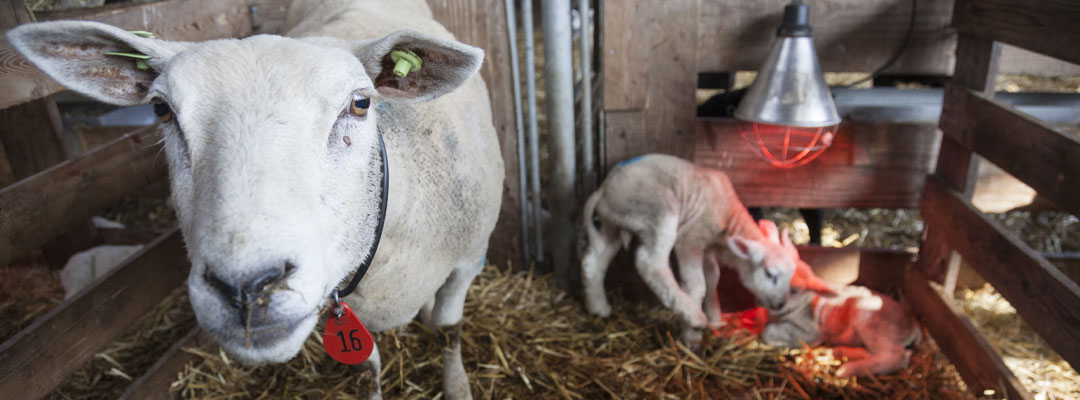
Lambing and kidding season is busy and often unpredictable, but preparation can make a major difference. From having the right supplies on hand to recognizing early signs of labor and knowing when to intervene, proactive management helps reduce complications and support healthier outcomes for both dams and their offspring.
Dr. Laura Meier, Technical Service Veterinarian at Valley Vet Supply, shares key supplies, warning signs, and management tips to help producers navigate lambing and kidding season with greater confidence.
Dr. Meier's Recommended Lambing and Kidding Supplies
Being prepared before lambing or kidding begins can make a significant difference during emergencies.
Essential supplies include:
Additional products to consider based on herd needs:
Signs She is Close to Birthing:
Ewe & Goat Dysocias
When assisting with a difficult birth, always use an obstetrical sleeve to protect against disease exposure, including Q fever. OB sleeves also reduce the introduction of bacteria or foreign material into the reproductive tract, which can otherwise lead to metritis after delivery.
When to Provide Assistance
If the water bag has broken and no feet or head are visible, or if the ewe or doe stops actively pushing, an obstetrical exam is needed. If uncomfortable performing the exam, contact a veterinarian immediately. Always use OB sleeves and adequate lubricant.
Common causes of dystocia include:
"If attempting correction without veterinary assistance and no progress is made within 15 minutes, contact your veterinarian," says Dr. Meier. "While timing can be critical, always make corrections slowly and gently to reduce stress and the risk of injury."
Caring for Newborn Lambs or Kids
If the dam is experienced and capable, allow her to clean and mother the newborns.
"This bonding period helps stimulate the young to stand and nurse while also triggering oxytocin release in the dam, supporting milk letdown and uterine involution," says Dr. Meier.
If the dam needs assistance, take the following steps:
Successful lambing and kidding often come down to preparation, observation, and knowing when to step in. By having the right supplies ready, recognizing signs of labor, and responding early to complications, producers can reduce stress and improve outcomes during this critical time. When questions or concerns arise, working closely with a veterinarian helps ensure both dams and newborns get the best possible start.