
Basic Horse Care: Essential Guide for New Owners
New to horse ownership? This essential guide covers everything from daily feeding and grooming to vet care schedules and hoof maintenance everything a first-time horse owner needs to know.
What Does Daily Horse Care Actually Look Like?
Owning a horse is a significant responsibility. It takes daily care, time, financial commitment, and a strong relationship with your veterinarian. And while many owners will tell you it rarely stops at just one horse, each one depends on consistent, thoughtful care every day. At the same time, horse ownership is incredibly rewarding, offering a unique partnership and connection that makes the effort worthwhile.
Feeding Your Horse: Hay, Grain, and Pasture Basics
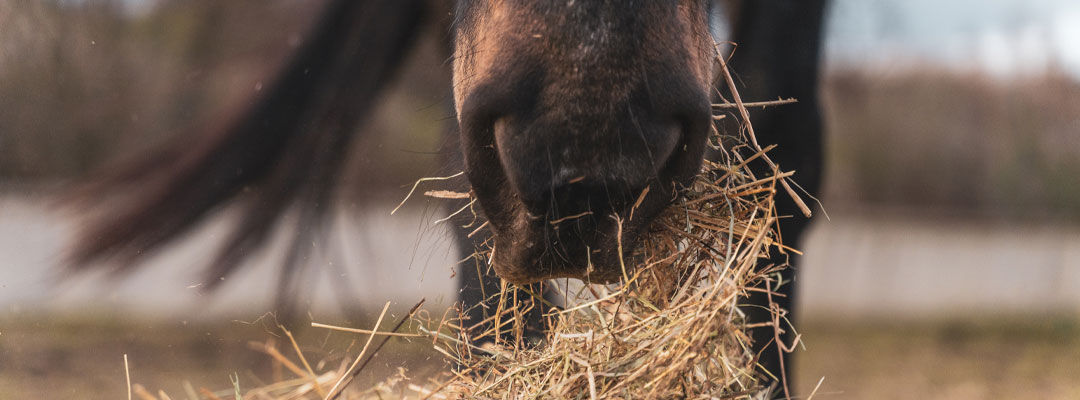
What and how much you feed your horse depends on the individual animal. Factors such as workload, age, and weather conditions all play a role in determining nutritional needs. While many horses can do well on a forage-only diet, others may require grain to meet their energy demands.
Forage should always be the foundation of your horse’s diet, with most horses consuming about 1.5-2% of their body weight in forage daily. From there, regularly assessing body condition helps you determine whether you need to make adjustments to maintain proper weight and overall health. Make any diet changes gradually over several days.
Water and Hydration Requirements
Horses typically require about 1 gallon of water per 100 pounds of body weight per day, though intake can increase with heat and workload. A good rule of thumb is to provide at least twice the estimated daily requirement to ensure water is always available.
During hot weather or periods of increased activity, consider offering electrolytes to help replace minerals lost through sweat. You can do this by providing a separate water source with electrolytes alongside plain water, or by adding electrolytes directly to the feed.
Shelter, Stabling, and Turnout
Depending on your facility, horses can be housed in stalls, open pastures, or runs. No matter the setup, horses should always have access to shelter to protect them from rain, wind, and extreme weather conditions.
Regularly inspect housing areas for potential hazards, such as loose wire, sharp edges, or unsafe fencing, to help prevent injury.
If using a barn and stalls, proper ventilation is essential to reduce moisture, dust, and ammonia buildup that can lead to respiratory issues. For outdoor housing, run-in sheds should ideally face south to maximize sun exposure and provide protection from prevailing winds.
Grooming: What to Do and How Often
Grooming is a key part of everyday horse care. It helps remove dirt, sweat, and loose hair while spreading natural oils that keep the coat healthy and in good condition. Regular grooming also improves circulation and gives you the opportunity to check for cuts, swelling, or other signs of injury. Just as importantly, it creates a consistent time to handle your horse, observe their condition, and build trust through daily interaction.
Hoof Care and When to Call the Farrier
Hoof care plays a major role in keeping horses sound and comfortable. Picking out hooves regularly helps remove dirt, mud, and debris that can lead to bruising or infection, while also giving you a chance to check for injuries or abnormalities.
In addition to daily care, horses should have their hooves trimmed by a farrier every six to eight weeks to maintain proper balance and support overall hoof health.
Building a Veterinary Care Schedule
Horses typically see a veterinarian twice a year, often in the spring and fall, for routine check-ins. However, care schedules can vary depending on your horse’s age, workload, and overall use, as well as your location and regional health risks.
Maintaining a consistent veterinary schedule helps catch potential problems early and keeps your horse on track year-round.
“Regular check-ups can help find abnormalities that may be hiding under the surface,” says Dr. Laura Meier, Technical Service Veterinarian at Valley Vet Supply.
Vaccinations, Deworming, and Dental Care
Routine deworming and vaccination play an important role in maintaining your horse’s overall health. People often time parasite control around periods of higher risk, such as spring and fall, and they add extra treatments for bots and tapeworms later in the year. You can also use fecal egg counts to better understand your horse’s parasite load and guide a more targeted approach.
Vaccination schedules typically include annual core vaccines, with additional vaccines based on risk factors like location, travel, and exposure. Work with your veterinarian to keep your horse protected with a plan tailored to their needs.
Core Vaccines
Dental care is another important part of routine maintenance. Most horses require teeth floating once a year, though frequency may vary with age. Regular dental work supports proper chewing and keeps the horse comfortable when using a bit.
“There are numerous different combinations of vaccines available for horses at this time and it can be a little intimidating trying to sift through them. Please don’t hesitate to give us a call at Valley Vet and we would be happy to help you find the right one for you and your horse’s lifestyles,” says Dr. Meier.
Signs Your Horse May Be Sick or Injured
Horses often show subtle changes when something is wrong. Paying close attention to daily behavior and physical condition can help you catch issues early. If you notice anything outside your horse’s normal routine or vital sign ranges, it’s a good time to call your veterinarian.
Behavioral Signs
Physical Signs
Emergency Signs
Once you’re comfortable taking vital signs, it’s important to know what’s normal for your horse so you can recognize when something is off. Understanding baseline ranges for temperature, pulse, and respiration gives you a clear starting point and helps you act quickly when it matters most.
Normal Horse Vital Signs
“I always tell my clients that you know your animal better than anyone else. If you feel like something is off, trust your gut and get it checked out,” says Dr. Meier.
Building Your Horse Care Team
Having a reliable team in place makes horse ownership more manageable and helps ensure your horse receives consistent care. Build strong relationships with your veterinarian, farrier, and, if applicable, a trainer.
For new horse owners, it is also valuable to have an experienced horse person you trust and can turn to with questions when challenges arise. You do not have to know everything. A solid support system helps prevent mistakes and gives you confidence in your day-to-day care decisions.
Caring for a horse is a daily commitment, but with the right knowledge and support, it becomes a rewarding routine. By focusing on consistent feeding, proper housing, routine health care, and building a strong support team, new owners can create a solid foundation for their horse’s long-term health and well-being.
Frequently Asked Questions
How much time and money does it take to care for a horse?
The time and cost of caring for a horse can vary depending on the horse and your setup. Daily care, including feeding, watering, and checking your horse, may take anywhere from 30 minutes to a few hours.
Costs also depend on whether you board your horse or keep it at home. Boarding typically includes basic care in a monthly fee, while keeping a horse on your own property may reduce boarding costs but adds expenses like feed, hay, and maintenance.
When planning for ownership, you should also consider routine costs such as veterinary care, farrier services, and supplies.
How often does a horse need to see a vet?
Horses typically see a veterinarian twice a year, often in the spring and fall, for routine check-ins. However, care schedules can vary based on your horse’s age, workload, overall use, and regional health risks. Regular veterinary visits help catch potential problems early and keep your horse on track year-round.
What do horses eat and how much?
Forage should be the foundation of every horse’s diet, with most horses consuming about 1.5-2% of their body weight in forage daily. From there, regularly assess body condition to determine whether you need adjustments to maintain proper weight and overall health. Factors such as workload, age, and weather conditions all influence nutritional needs, and some horses may require grain to meet higher energy demands.
How do I know if my horse is healthy?
Observing your horse daily is one of the best ways to monitor their health. Changes in body condition, such as visible ribs or a more prominent topline, can indicate your horse may not be meeting their nutritional needs. You should also watch for changes in behavior, appetite, or movement. Because every horse is different, consult your veterinarian if you are unsure or notice anything unusual.
For more guidance, explore our equine articles covering topics like vaccination schedules, choosing the right deworming program, and blanketing your horse.
Whether for horse, livestock or pet, Valley Vet Supply is your one-stop shop for trusted care. Explore more of our horse supplies category at ValleyVet.com.