Essential Horse Riding Equipment: The Complete Beginners Guide to Tack
New to horses? This complete beginner's guide covers every piece of essential tack and riding equipment you need: from saddles and bridles to grooming tools and safety gear.
What Is Tack and Why Does It Matter?
Tack refers to the gear and equipment used on a horse, including saddles, saddle pads, bridles, bits, halters and lead ropes. These tools allow you to safely handle, guide, and communicate with your horse during everyday care and riding.
Two main riding disciplines, Western and English, each use their own style of tack designed for specific activities and events. While the equipment may look different, the goal is the same. Each piece of tack works together to support control, safety, and comfort for both horse and rider.
Choosing the right tack and making sure it fits properly, helps prevent injury and allows your horse to move and perform at its best. If you are new to horses, start with the basics and build your setup over time.
The 5 Must-Have Pieces of Horse Tack
1. Halter and Lead Rope
A halter and lead rope are essential for handling your horse safely and confidently. They allow you to lead, tie, and control your horse during everyday tasks. Halter options include leather, nylon, and rope styles.
Leather halters offer a classic look and can break under pressure for added safety. Nylon halters are durable and easy to clean. Trainers often use rope halters because they provide more control. The right choice depends on your discipline and personal preference.
2. Saddle
A saddle is one of the most important pieces of tack for both you and your horse. Whether you ride English or Western, your saddle supports balance, comfort, and communication while riding.
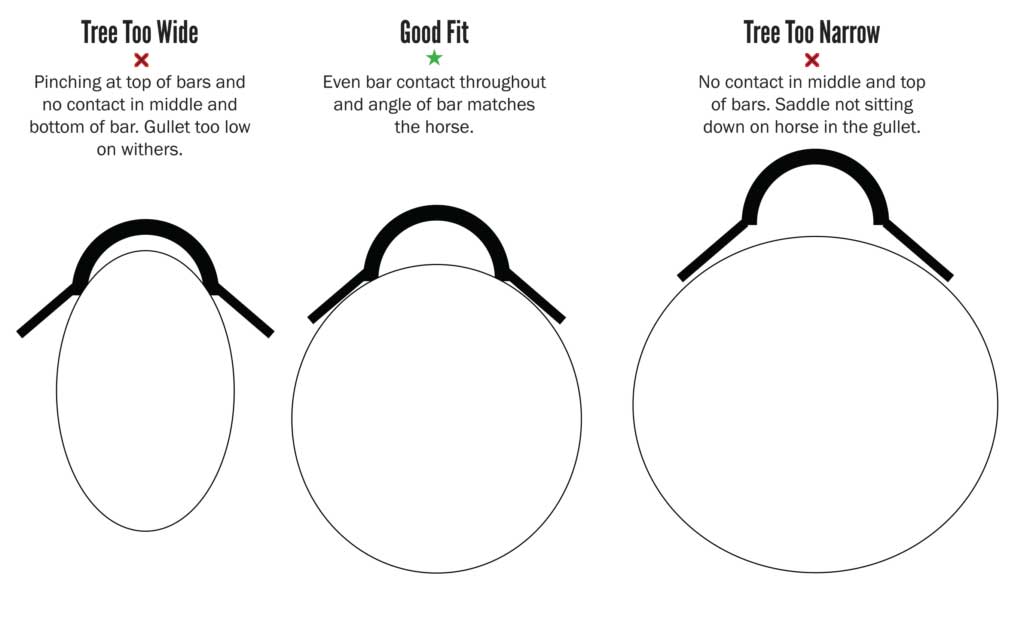
Different saddles are built for specific disciplines. Each style supports the rider's position and suits the work the rider asks of the horse. When choosing a saddle, fit matters for both you and your horse. A properly fitting saddle helps distribute weight evenly, keeps your horse comfortable, and reduces the risk of soreness or injury.
Read this article to learn more about Saddle Fitting Tips for Your Western Saddle.
3. Saddle Pad
A saddle pad is essential when riding with a saddle. It provides a layer of cushioning between the saddle and your horse, helping distribute pressure and improve overall comfort. The thickness and style of your saddle pad will depend on your discipline, your weight, and how long you spend in the saddle.
Some riders may need more padding for added support, while others prefer a closer contact feel. When choosing a saddle pad, consider your horse's withers and back shape to ensure a proper fit and avoid pressure points.
Read this article to learn more about Saddle Pad Fitting Tips.
4. Bridle
A bridle is essential for control, guidance, and communication while riding. It works with the reins to help direct your horse and support clear cues. Most bridles include a bit, though some horses go better in a hackamore, which does not use a bit.
Consider your setup based on your horse, your discipline, such as English or Western, and your riding style. When choosing a bit, consider how your horse responds. Some horses are more sensitive than others, so it may take a few tries to find the best fit for clear, comfortable communication.
5. Cinch or Girth
A cinch, or girth for the English discipline, keeps your saddle secure and in place while riding, making it one of the most important pieces of tack. It holds the saddle snug against your horse and helps prevent shifting during movement. Proper fit is key. Take the time to measure your horse to ensure the cinch or girth sits correctly without causing discomfort or restriction.
Cinch and girth options come in a range of materials, some with stretch and some without. Material and design can affect fit and comfort, so choose one that works well for your horse and riding style.
Read this article to learn more about Fitting Cinches and Latigos.
Western vs. English: Choosing the Right Saddle
The English Saddle
English riding includes disciplines like dressage, jumping, eventing, and much more. These saddles support close contact, and their lightweight build improves balance and enables more precise communication between horse and rider. English saddles have a flatter seat and shorter stirrups, which help riders stay in a more forward position. This makes them a good fit for activities that require agility, speed, and quick movement.
The Western Saddle
Western saddles are commonly used in rodeo events and everyday ranch work. They provide comfort and stability, especially during long hours in the saddle. These saddles have a deeper seat, a horn for added functionality, and more surface area to help distribute weight across the horse's back. This makes them well-suited for activities like working cattle, trail riding, and other aspects of the western lifestyle.
Many riders choose to keep both types of saddles in their tack room. Switching between disciplines can keep your horse engaged and focused during different types of work. As you gain experience, you may find one style that fits your goals and riding preferences. From there, you can focus your training and continue building your skills in that discipline.
Understanding Bridles, Bits, and Headstalls
Several types of headstalls include split ear, sliding ear, browband, and styles with or without a noseband. Like most tack, the right choice depends on your discipline, riding style, and what works best for your horse.
Each style serves a slightly different purpose.
Bits also play an important role in communication. They come in many styles and levels of severity, so it is important to choose one that matches your horse's experience level and sensitivity. A softer bit is often a good starting point, especially for beginners.
Read this article to learn more about When It's Time to Change Bits.
How to Choose Protective Boots and Leg Wraps
Horses are often asked to move in ways that put added strain on their legs. Quick turns, fast stops, and high speeds can increase the risk of injury during riding or training. Both English and Western disciplines use protective boots to help support and protect a horse's legs.
Some boots support tendons and ligaments, while others help prevent interference injuries, such as overreaching or striking. Choosing the right boot depends on your discipline and the type of work your horse is doing.
Types of Boots
Boots are not always necessary for light riding. Riders most often use them during speed work or events that need added protection.
When your horse is not being ridden, remove the boots to help prevent excess heat buildup and reduce the risk of irritation or fatigue. Boots should fit snug, but not tight, to avoid rubbing or pressure points. After each use, clean them to remove sweat and dirt that can cause discomfort or skin issues.
Read this article to learn more about Splint Boots, Bell Boots, and More.
Essential Rider Safety Equipment
Safety should always come first, for both you and your horse. Before each ride, consider what your day will look like and choose equipment that supports a safe, controlled ride.
A properly fitted helmet is one of the most important pieces of rider safety gear, and you should wear it every time you ride. In higher-risk activities, such as jumping or speed events, a riding vest can provide added protection. Also, think about your environment. If you are riding in a loud or busy setting, your horse may benefit from ear plugs or a fly bonnet to help reduce distractions and stay focused.
Safety Check Before Riding
Beginner Tack Shopping Checklist
If you're just getting started, use this checklist to build your basic tack setup
Getting started with horse tack can feel overwhelming, but it doesn't have to be. Focus on the essentials, choose equipment that fits both you and your horse, and build from there. As you gain experience, you will learn what works best for your riding style and your horse's needs. The right tack not only improves performance, but also keeps both you and your horse safe and comfortable every time you ride.
Frequently Asked Questions
What tack does a beginner horse owner absolutely need?
Before bringing your horse home, make sure you have a halter and lead rope ready. These are essential for safely unloading, handling, and settling your horse into their new environment. Select many other pieces of tack based on your horse's size and fit, so you should often wait until your horse arrives before you make purchases.
Once you are ready to build your setup, the essentials include a saddle, saddle pad, cinch or girth, and a bridle with a bit and reins. Starting with properly fitted basics will keep both you and your horse safe and comfortable.
How much does basic horse tack cost?
The cost of basic horse tack can range from a few hundred to over a thousand dollars, depending on the quality and type of equipment you choose. You don't have to buy everything at once or go top-of-the-line right away. Start with well-fitting essentials, then upgrade over time as you learn what works best for you and your horse.
What's the difference between Western and English tack?
Brands make English tack lightweight and ensure it allows close contact between the rider and horse. This helps riders maintain balance and use more precise, subtle cues. Western tack offers comfort and stability, especially during long hours in the saddle. It distributes weight over a larger area and often includes a saddle horn, which is useful for tasks like roping.
While the styles look different, both styles support clear communication, safety, and comfort for both horse and rider.
Do I need a bit for every bridle?
No, you do not need a bit for every bridle. Some bridles, such as hackamores, work without a bit. Bitless options can be a good choice for horses that are sensitive or have dental or mouth issues. They work by applying pressure to the nose and face instead of the mouth.
Choose based on your horse's comfort, training, and how they respond to different types of equipment.
How do I know if a saddle fits my horse?
A properly fitted saddle is essential for your horse's comfort and performance. An ill-fitting saddle can create pressure points, rub marks, and soreness over time.
The saddle should sit just behind the horse's shoulder blade to allow for full range of motion. It should rest evenly along the horse's back without tipping forward or backward. Look for even contact under the saddle, with no tight spots or gaps.
You should also have enough clearance over the wither to avoid pressure in that area. If your horse shows signs of discomfort, such as soreness, resistance under saddle, or behavioral changes, it may be a sign that the saddle does not fit correctly.