Mastitis in Dairy Cattle: Signs and Treatment
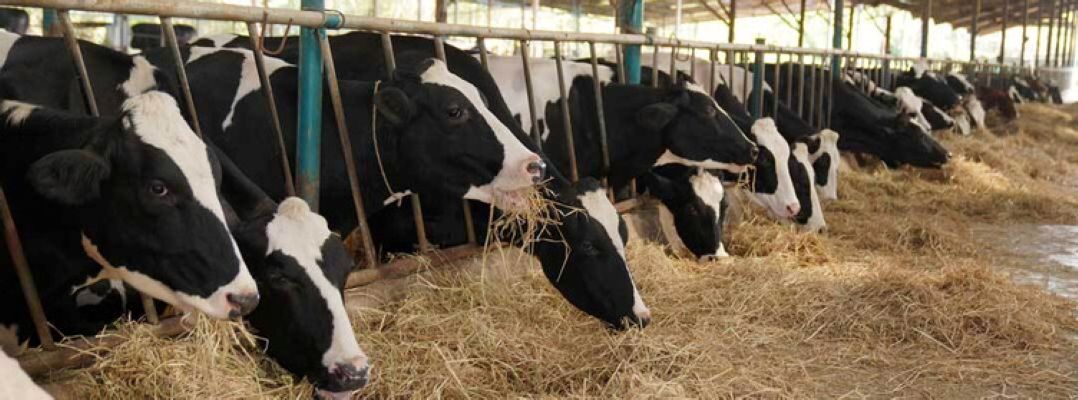
Mastitis is one of the most costly diseases in the dairy industry. Affected cows can experience reduced milk yield due to illness or permanent udder damage, and fertility may be negatively impacted.
Dr. Laura Meier, Technical Service Veterinarian at Valley Vet Supply, shares expert advice on recognizing the signs of mastitis and different treatment strategies.
What are the Most Common Causes of Mastitis in Dairy Cows?
Environmental pathogens are bacteria that originate from the environment and enter through the teat canal. Common sources include contaminated bedding, teat dips, intramammary infusions, water used for udder preparation before milking, ponds or mud holes, skin lesions, teat trauma, and flies.
Contagious mastitis pathogens are spread primarily during milking. Staphylococcus aureus is the most notorious contagious pathogen. Treating it is difficult and often results in the culling of affected cows.
Bacteria from infected cows' milk, contaminated milking equipment, or milker's hands can transfer to healthy cows' teats and penetrate the teat canal. The bacteria can persist in chronic, subclinical infections and shed intermittently, which contributes to a reservoir of infection within a herd.
What are the Warning Signs of Mastitis in Dairy Cows?
Clinical Signs of Mastitis
Subclinical Signs of Mastitis
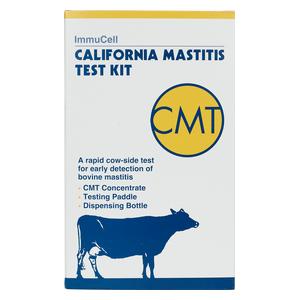
- Tools such as the CMT Cow-Side Test Kit for Mastitis in Cows can help identify affected animals.
According to the CMT Instruction Manual: "Milk normally contains a number of living cells called somatic cells. These cells can originate from the blood or from the udder gland itself. In a normal healthy udder, the cell count is under 250,000/mL. When improper milking technique, a faulty milking machine, or infection damages or irritates the udder, the cell number increases rapidly, making the somatic cell count a reliable indication of udder health."
What are Treatment Strategies for Mastitis?
Treatment for mastitis should be guided by the type of bacteria involved and the severity of the infection. Regularly "stripping out" the infected quarter helps remove bacteria, milk clots, debris, and bacterial toxins, reducing inflammation.
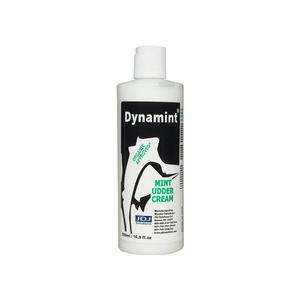
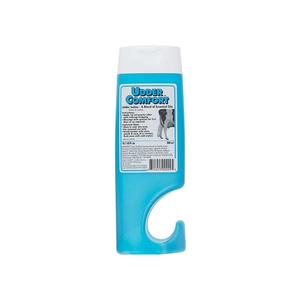
Intramammary antibiotics are effective for mastitis caused by Gram-positive bacteria susceptible to the product. Gram-negative (coliform) infections respond less consistently; only about 20% of cases benefit from intramammary antibiotics, so these treatments are not always recommended. Topical products such as Udder Lotion and Mint Udder Cream can help soften hard quarters and soothe tender udders. Apply after each milking or stripping and massage gently into the udder.
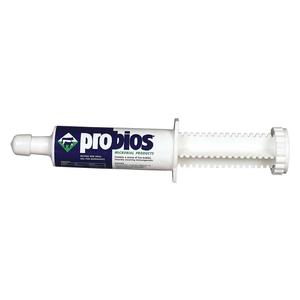
In severe cases, systemic antibiotics may be administered alongside intramammary treatments, particularly if the cow shows systemic signs such as elevated temperature or lethargy. Additional supportive therapies include prescription pain management (Banamine), electrolytes to maintain hydration, and probiotics to support a healthy immune system.
What Vaccines and Teat Sealants Are Recommended?
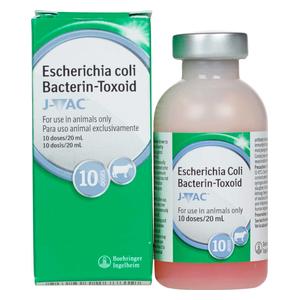
Vaccines
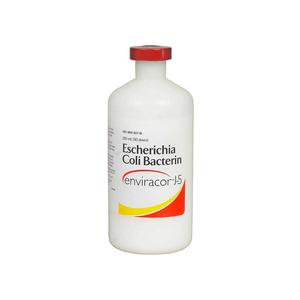
Vaccines
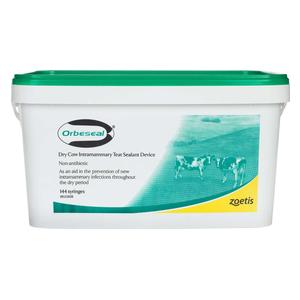
Teat Sealants at Dry-Off
Preventing mastitis through proper hygiene, monitoring, and vaccination is often more effective and economical than treating advanced infections.