
Recognizing and Preventing Dehydration in Your Pets
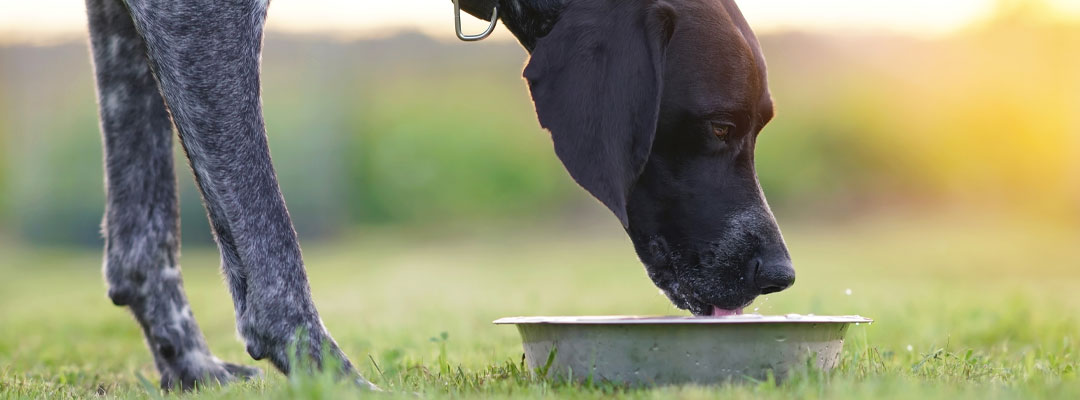
During the summer months, it is important to consistently monitor your pet's hydration, especially in the heat. Valley Vet Supply's Technical Service Veterinarian, Dr. Laura Meier, shares insights on water intake, signs of dehydration, and practical tips to help prevent it.
How Much Water Do Your Pets Need?
Keep in mind that every animal is different and may require more water depending on their activity level, environment, and overall health. Good practice involves always providing at least twice the estimated amount to ensure they have access to what they need, especially during warmer weather.
Common Signs Your Pet is Dehydrated
Tips on Hydration Solutions
Ensure your pet always has access to clean, fresh water. Consider using a constant flow pet fountain and placing water sources in multiple areas where your pet tends to congregate. Pet-safe flavored ice cubes, like those made from watermelon, sodium-free chicken or beef broth, can also be a fun and refreshing treat. When heading out for a walk, be sure to bring a collapsible bowl to pour water into, especially if your dog isn't comfortable drinking directly from a water bottle.
For horses, provide a separate water source containing electrolytes alongside a source of plain water to ensure they stay hydrated and have options. They can also add some electrolytes directly to their feed rations.
For both pets and horses, consider adding water to food, or soaking grain, before feeding to further support hydration.
What to Do if You Suspect Your Pet is Dehydrated
If you think your pet may be dehydrated, try offering water in a different form, such as pet-safe flavored ice cubes or water mixed into their food. If they are hesitant to drink, offer small amounts frequently rather than large volumes all at once. Dehydration can progress quickly, especially in young or neonatal animals. If your pet is reluctant to get up, appears disoriented, or if signs of dehydration persist, contact your veterinarian immediately.
Whether for horse, livestock or pet, Valley Vet Supply is your one-stop shop for trusted care. Explore more of our pet category at ValleyVet.com