
Senior Horse Care: Maintain Weight & Energy
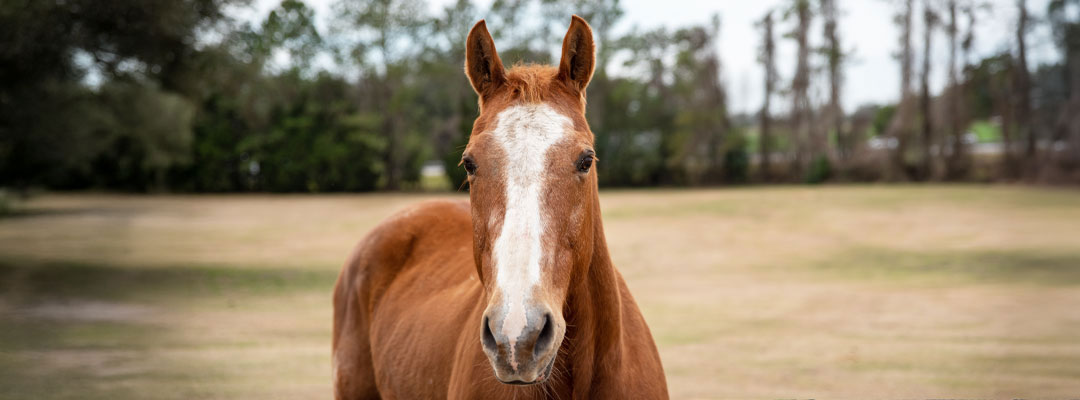
Have you noticed your senior horse losing weight? As colder months approach, give your horse the energy they need to stay healthy and strong.
Dr. Laura Meier, Technical Service Veterinarian at Valley Vet Supply, shares expert advice on caring for senior horses and supporting them as they age.
Most Common Reasons Horses Lose Weight as They Age
Working with a veterinarian and scheduling a thorough examination to determine which areas need attention is vital when caring for a senior horse.
Reason #1: Reduced Energy Levels
Senior horses may not have the same energy they once did for several reasons. Dental issues that develop with age and normal wear can make eating more difficult. Routine dental exams are essential, horses under 20 years should have annual checkups, while those over 20 benefit from exams every six months.
Changes in herd dynamics can also impact energy. Older horses may struggle to compete with younger, more dominant horses at the feed bunk. Grouping horses by age and monitoring interactions between socially dominant and reserved animals can help ensure all horses receive adequate nutrition.
Reason #2: Reduced Ability to Utilize Dietary Energy
As horses age, they may not be able to extract energy from their diet as efficiently. A less effective digestive system can lead to the absorption of fewer calories. Offering premium-quality chopped hay, complete feeds, or heat-treated cereal grains can improve nutrient digestibility.
Metabolic issues are also common in older horses and can affect carbohydrate use. Feeds with fat-based energy can help maintain intake without increasing sugar content.
Additional tips include providing a mineral or vitamin supplement to prevent deficiencies and ensuring free-choice water is always available. Dehydration can reduce appetite and increase the risk of impaction colic, especially in horses with poor dentition. During periods of stress, heat, or cold, offering electrolytes alongside plain water can encourage drinking and support hydration.
Reason #3: Reduced Energy Efficiency in Senior Horses
As horses age, more systems in the body require extra energy to maintain the same level of function. For example, staying warm, digesting feed with worn teeth, and supporting a weakening immune system all use additional energy. Horses not up to date on vaccinations or deworming may expend even more energy fighting diseases.
It's important to monitor all of a senior horse's systems, not just the digestive tract. To help conserve energy, provide blankets when temperatures drop below 40° and consider wind breaks, especially at night when the sun is not available for warmth.
Maintain a strong immune system by staying current on vaccinations and adjusting deworming protocols based on fecal egg counts, older horses may need frequent treatment. Consider supplements with antioxidants, vitamin E, or fatty acids like Omega-3s, DHA, and EPA to support overall health.
Recommended Key Health Screenings for Senior Horses
How to Balance Hay, Senior Feeds, and Supplements for Aging Horses
Each horse has unique needs, so diet should be adjusted individually. Some senior horses do well with chopped hay plus a supplemental pellet for energy. Others may need a complete feed to meet all daily requirements. If hay is the primary ingredient, a mineral and vitamin supplement is recommended to ensure essential nutrients are met. Complete feeds typically provide these nutrients, eliminating the need for additional supplementation.
Adjusting Daily Life for Aging Horses
Listen to your horse. Pay attention to both the mind and body. Providing enrichment, such as varied turnout, light exercise, or new activities, keeps joints moving and helps prevent boredom, which can lead to undesirable behaviors or habits.
Winter Tips for Senior Horses
As temperatures drop, adjust and monitor calorie and water intake. Increase calories as nighttime temps dip and provide an electrolyte alongside plain water to encourage drinking.
Before winter begins, aim for a body condition score (BCS) of at least a 5 in aged horses. Maintaining weight during cold months is challenging, so starting at a healthy level makes it easier. A long winter coat can hide weight loss, so check fat cover over the ribs, wither, and tailhead to accurately assess BCS.
Key Advice for Keeping Senior Horses Healthy in Winter
Stay ahead of the game. Maintaining weight and condition in senior horses is a year-round commitment.