
Spring Care for Llamas and Alpacas
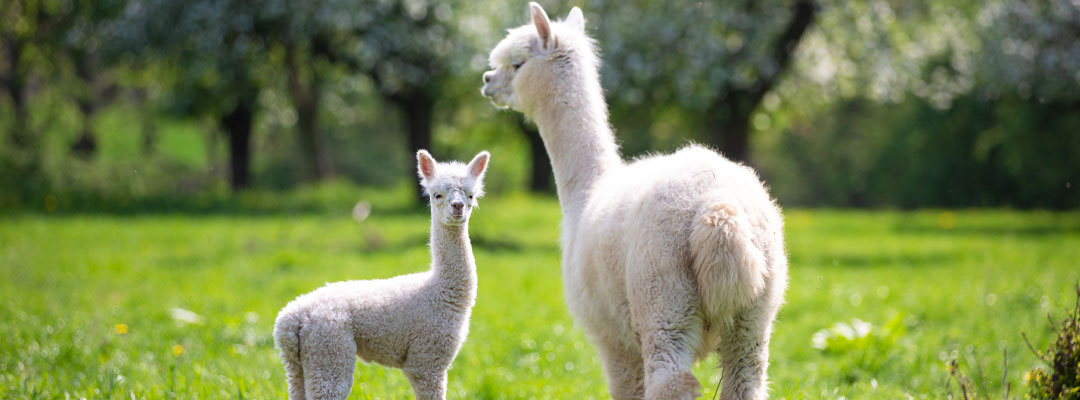
With warmer weather rolling in, chores are looking a bit different on the farm. Your llamas and alpacas might need some extra care to get them ready for longer, sunnier days.
Shearing
To prevent your llamas and alpacas from overheating, start preparing for the warmer weather by planning their spring shearing. Removing the fiber not only keeps them cool but also promotes overall comfort and health.
Hoof Maintenance
Provide your llamas and alpacas with a fresh hoof trim to begin the warmer season. This prevents discomfort and mobility issues as they become more active in the coming months.
Annual Vaccinations
Don't forget to supply your llamas and alpacas with their annual vaccinations to ensure they stay happy and healthy throughout the year.
Dr. Laura Meier's Recommendations for Annual Vaccinations in Llamas and Alpacas*
"I recommend my herds receive their vaccinations in the spring before the vector season and before going out on grass. Unfortunately, there are no vaccines labeled for llamas and alpacas so everything is extra-label use. Here is what I recommend"
Fly Control
Flies become more active during the warmer months. Be sure you are providing the best fly preventatives for your llamas and alpacas to keep them comfortable and healthy.
Dr. Laura Meier's Recommendations for Fly Control in Llamas and Alpacas*
Deworming
Spring is a great time to evaluate your deworming program in your llamas and alpacas to ensure they are properly protected and treated.
Dr. Laura Meier's Recommendations for Deworming in Llamas and Alpacas*
Check Fence Lines
As you start turning out your llamas and alpacas in spring/summer pens, make sure to first walk the perimeter of your fence line. Check for holes in the fence they could slip through or any loose or damaged wire that could pose an injury risk. A quick inspection can keep your animals safe.
Provide Adequate Shade
With intense sun rays, your llamas and alpacas can become sunburnt, especially after shearing. Provide a place where your animals can get out of the direct sun and cool off when needed.
Clean Water Source
Check on all water sources available to your llamas and alpacas. Rinse water tanks and if you have an automatic waterer, confirm it is working properly, especially if sources have been sitting dormant during the winter months.
Minerals
Make sure free choice minerals are available at all times for your herd.
*Please speak with your veterinarian about the best options for your herd.
Whether for horse, livestock or pet, Valley Vet Supply is your one-stop shop for trusted care. Explore our llama and alpaca category at ValleyVet.com.