The 10 Horse Supplies You Need Before Your Horse Comes Home
Setting up for your first horse? These 10 essential products cover everything a new horse owner needs from grooming tools and first aid to tack and feed supplies.
Why Having the Right Supplies Matters from Day One
Bringing a horse home is exciting, but preparation makes all the difference. The first few days in a new environment can be stressful, and having essential supplies ready ahead of time helps you provide proper care from day one. This list covers the key items, and recommended products, to have on hand before your new horse arrives.
#1 Grooming Kit
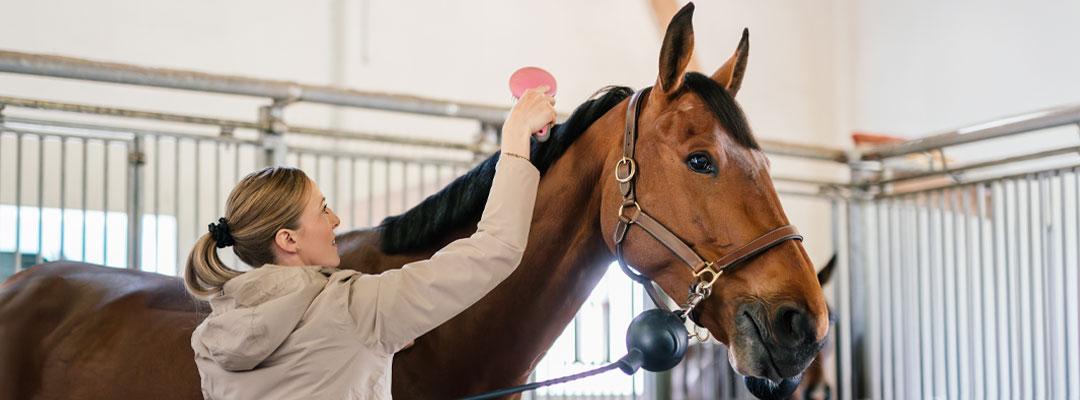
Grooming is an important part of daily horse care. Regular grooming removes dirt, dust, sweat, and dandruff while distributing natural oils that keep the skin healthy and the coat clean and shiny. It also stimulates circulation and gives owners the chance to check for cuts, swelling, or other early signs of injury.
Common items found in a basic grooming kit include:
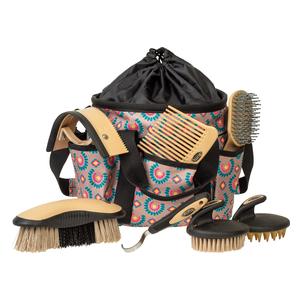
This Grooming Kit from Weaver Livestock includes the essentials for proper care and is a solid starting point for new horse owners.
#2 Halter and Lead Rope
A halter and lead rope are essential for safely handling and controlling your horse on the ground. They allow owners to lead, tie, and manage their horse during everyday tasks such as grooming, turnout, or veterinary care. A properly fitted halter keeps both the horse and handler safe while allowing clear, consistent communication. Several styles of halters are available, including everyday nylon halters, show halters for competitions, and personalized halters that you can customize with a horse's name or farm information.
The Nylon 1-in Horse Halter by Valley Vet Supply works well for everyday use and lets you customize it with your horse's name or information.
#3 First Aid Kit
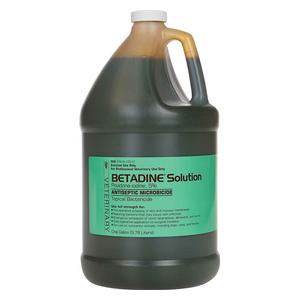
A horse first aid kit is an important item to have on hand before bringing your horse home. Minor cuts, scrapes, or other injuries can happen at any time, and having basic supplies readily available allows you to respond quickly while waiting for veterinary guidance if needed. Keeping a well-stocked kit in your barn helps ensure you are prepared to manage common situations and provide immediate care when necessary.
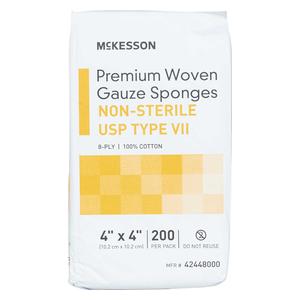
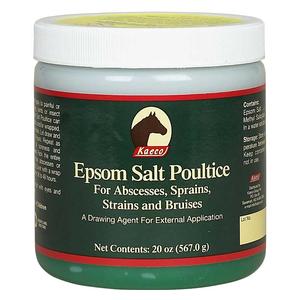
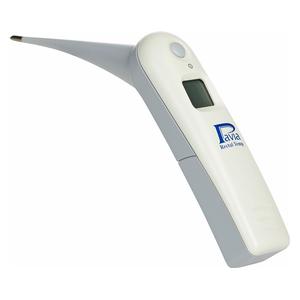
If building your own horse first aid kit, there are a few essentials you'll want to have on hand, including:
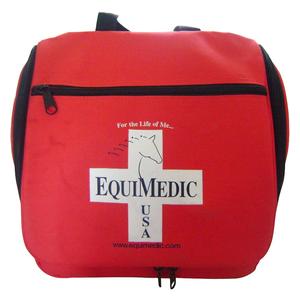
If you'd rather start with a ready-made option, the Basic Equine First Aid Med Kit is well organized and covers the essentials you'll want on hand.
#4 Feed Buckets and Water Troughs
Using feed buckets and hay feeders keeps feed off the ground, reducing the chances of horses ingesting dirt, dust, or manure. Proper feeding equipment can support cleaner feeding practices and better barn management. Fresh water should always be readily available, and depending on your climate, a heated water trough can help prevent water from freezing during colder months. Having the right setup in place before your horse arrives helps ensure they have consistent access to clean feed and water from day one.
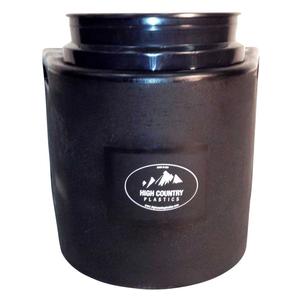
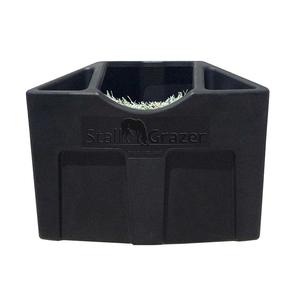
The Stall Grazer 3-in-1 Corner Feeder is a practical option that allows your horse to eat with their head down in a more natural position. For colder months, a waterer that helps prevent freezing, like the Insulated Bucket Holder, can help ensure your horse always has access to water.
#5 Fly Spray and Fly Mask
Flies are more than just a nuisance for horses. They can cause irritations, stress, and may contribute to the spread of certain diseases. Using fly control products such as fly sprays and fly masks helps protect horses from biting insects and reduces discomfort during fly season. Keeping these supplies on hand before your horse arrives ensures you are prepared to keep your horse comfortable and protected.
If you keep your horses in a barn, the Pyranha SprayMaster Insecticide Spray Kit is a practical option for managing flies. It releases a fine mist at set intervals with a programmable timer, even when you're not there. Hang Disposable Fly Traps around the barn to help reduce fly populations.
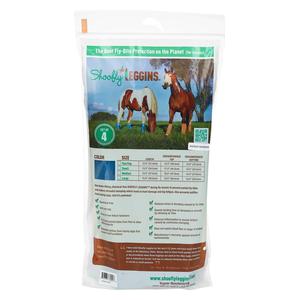
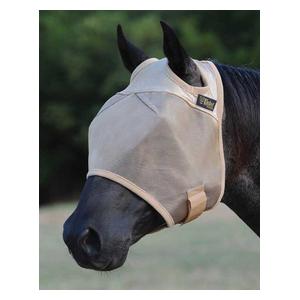
Shoofly Horse Leggins are another option for horses turned out on pasture, helping protect their legs from biting flies. Use the Econo Crusader Horse Fly Mask to help protect your horse's eyes from flies.
#6 Hoof Pick
Proper hoof care is essential for keeping horses comfortable and sound. A hoof pick helps remove dirt, mud, and small stones that can cause bruising or infection while also giving owners a chance to check for injuries. Along with routine hoof cleaning, horses should have their hooves trimmed by a farrier every six to eight weeks to maintain proper balance and hoof health.
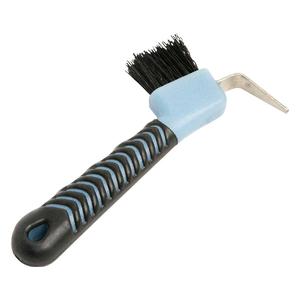
The Soft Grip Deluxe Hoof Pick is a solid option, with a built-in pick and brush and a handle that's easy on your hand.
#7 Blanket or Sheet
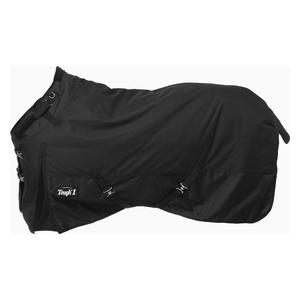
Depending on your climate, having a few blankets or sheets on hand can keep your horse comfortable year-round. From heavy winter blankets to lightweight sheets or fly sheets, the right option depends on weather and your horse's needs. Having options ready makes it easier to adjust as conditions change.
For colder months, the Heavy Weight Turnout Horse Blanket is a dependable option many horse owners rely on.
#8 Saddle Pad
A saddle pad is an essential piece of equipment that provides cushioning and protection between the saddle and your horse's back. It helps distribute pressure more evenly and can improve overall comfort during rides. Proper fit matters, as ill-fitting equipment can lead to discomfort, sores, or resistance under saddle.
For more information on choosing the right option, read our article Saddle Pad Tips from 5 Star Equine Products.
#9 Electrolytes and Supplements
Every horse is different, and feeding programs should reflect that. Some horses benefit from added supplements, vitamins, or electrolytes to support hydration, digestion, or overall health. Body condition, forage quality, workload, and environment all play a role. Work with your veterinarian to build a plan that fits your horse.
#10 Dewormer and Vaccination Supplies
Staying up to date on deworming and vaccinations is key to protecting your horse's health. If you recently purchased your horse, contact the previous owner to understand what vaccines and dewormers they have already given and when. This helps avoid gaps in protection or unnecessary repeat treatments.
Deworm horses during periods of higher parasite risk, such as spring and fall, and add treatment for bots and tapeworms later in the year. Fecal egg counts can help guide a more targeted deworming plan based on your horse's needs. Most veterinarians give core vaccines annually and add boosters as needed. Work with your veterinarian to build a schedule that fits your horse and operation.
"There are numerous different combinations of vaccines available for horses at this time and it can be a little intimidating trying to sift through them. Please don't hesitate to give us a call at Valley Vet and we would be happy to help you find the right one for you and your horse's lifestyles," says Dr. Laura Meier, Technical Service Veterinarian at Valley Vet Supply.
What You Don't Need Right Away
Not everything must be in place on day one. Items like tack, training equipment, or discipline-specific gear can come later as you get to know your horse and your goals. Starting with the basics gives you time to learn what works best for both you and your horse without overbuying upfront.
Bringing a horse home is a significant commitment, and having the essentials ready helps set the tone from the start. With the right supplies in place, you can focus on what matters most, building a routine, gaining trust, and taking care of your horse day by day.
Frequently Asked Questions
What do I need to buy before bringing my horse home?
Before bringing your horse home, have the basics in place. This includes a halter and lead rope, grooming supplies and a hoof pick, a first aid kit, feed and water buckets, and a blanket or fly sheet depending on the season. You'll also want to have feed and any needed supplements ready so your horse can settle in without disruption.
How much should I budget for first horse supplies?
The cost of horse supplies can vary, but most new owners spend anywhere from $500 to $2,000 to get the basics in place. Starting with essential items and adding tack and equipment over time is a practical approach, allowing you to choose what works best for your horse and your setup.
Do I need a saddle right away if I'm a beginner?
You don't need a saddle right away. Often, it's best to let your horse settle in, then take the time to properly fit both the horse and rider. An ill-fitting saddle can lead to discomfort and resistance under saddle, so it's worth getting the fit right from the start.
What is the most important thing to have in a horse first aid kit?
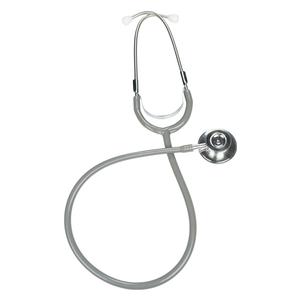
A thermometer, stethoscope, and wound care supplies are some of the most important items to keep on hand. These basics help you quickly assess your horse and respond to common injuries while you wait for veterinary guidance.
Where is the best place to buy horse supplies online?
Valley Vet Supply provides the essentials you need to get started and support your horse from day one. Having a reliable place to source your supplies helps you stay prepared and keep your routine running smoothly.
For more guidance, explore our equine articles covering topics like vaccination schedules, choosing the right deworming program, and blanketing your horse.
Whether for horse, livestock or pet, Valley Vet Supply is your one-stop shop for trusted care. Explore more of our horse supplies category at ValleyVet.com.