Understanding New World Screwworm in Livestock and Pets
Learn what New World Screwworm is, signs to watch for, and how livestock and pet owners can help prevent and manage risk.
The New World Screwworm (NWS) is a parasitic fly about the size of a common housefly, with orange eyes and a metallic blue or green body marked by dark stripes along its back. The adult fly looks similar to other flies you might see around livestock. The real concern is the larvae. Once eggs are laid in an open wound, the maggots hatch and feed on living tissue, burrowing deeper as they grow. Unlike common houseflies or blow flies found in the United States, which typically lay eggs in dead or decaying tissue, screwworm larvae invade healthy, living tissue, causing progressive damage.
Unlike many livestock diseases, NWS is not a herd-wide infection. It affects individual animals and requires an open wound to develop. Finding one case does not mean the entire herd is infested. Early detection and prompt treatment are key to preventing serious damage.
Because of the serious damage it can cause, New World Screwworm (NWS) is closely monitored by animal health officials. Although NWS was previously eradicated from the United States, recent detections near the southern U.S. border have renewed concern among producers, veterinarians, and animal health officials. Ongoing surveillance and response efforts are underway to help limit the spread and protect livestock, wildlife, and pets.
What to Watch For
Watch animals closely for:
Prevention Starts with Management
The best defense against NWS is consistent, hands-on management.
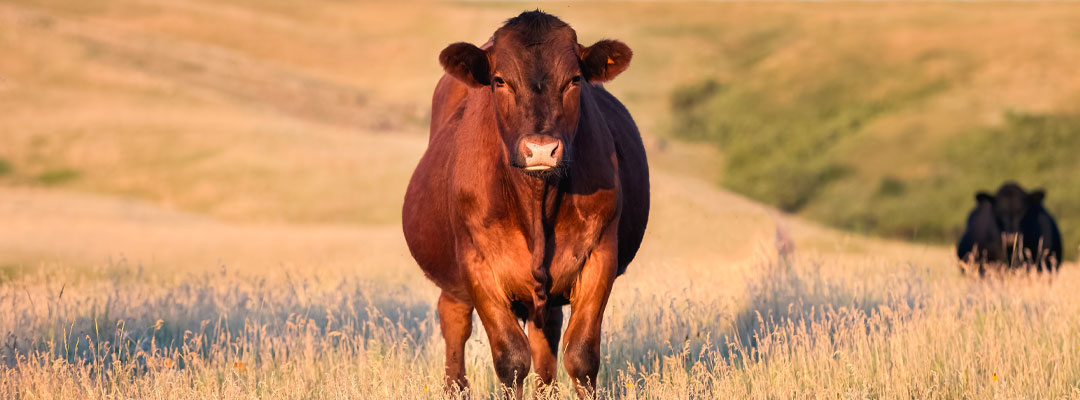
Inspect livestock regularly, ideally daily, for cuts, scrapes, tick bites, or other open wounds. Even small areas of skin irritation can create an entry point for flies. Treat wounds promptly using products labeled for wound care and fly control, following all label directions. Newborn care is especially important, as many cases occur in navels or exposed tissues. Treating the umbilical cord at birth lowers the risk.
Producers should also inspect pens and equipment for sharp edges or hazards that could cause injuries. Maintaining a strong tick and external parasite control program can also reduce potential wound sites. In areas where NWS has been detected, postponing elective procedures such as dehorning, castration, branding, or tail docking may be recommended to reduce risk.
Tools Producers Use for Wound Care and Fly Control
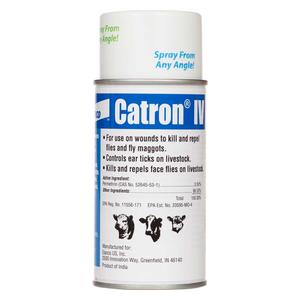
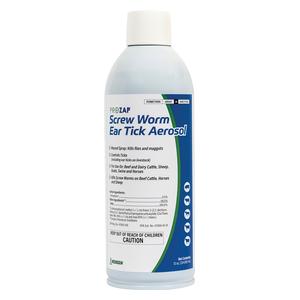
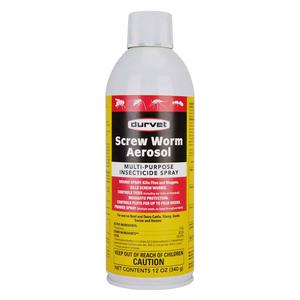
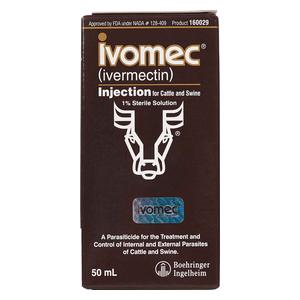
Alongside good management, producers often incorporate the following products into their wound care and fly control programs:
One common misconception about New World Screwworm is that a specialized product is required for prevention and treatment. According to Dr. Laura Meier, Valley Vet's Technical Service Veterinarian, many of the products producers and pet owners already use play an important role in screwworm management. "Basic permethrin and organophosphate fly control products are going to help kill and repel the adult screwworm flies on the animal," says Dr. Meier. If larvae develop in a wound, topical insecticide sprays and products containing ivermectin or doramectin may help control the infestation.
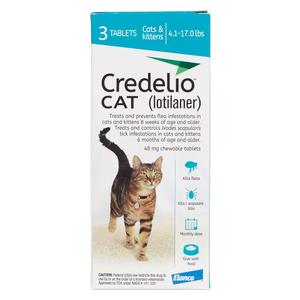
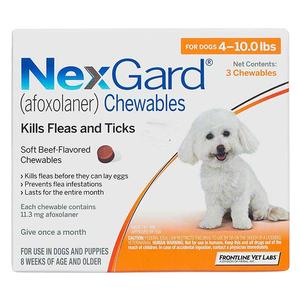
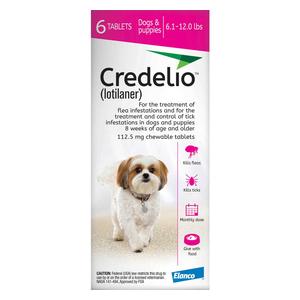
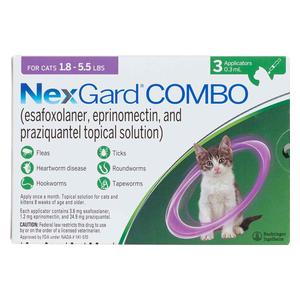
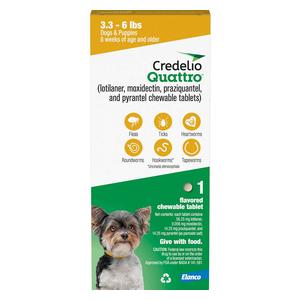
Tools to Help Protect Dogs and Cats:
"For dogs and cats, regular fly control and flea and tick products can provide protection," says Dr. Meier. "While nitenpyram (Capstar) has recently been authorized by the FDA under an Emergency Use Authorization to help treat New World Screwworm infestations."
If you suspect a case of screwworm, contact your veterinarian and state animal health officials immediately. Early reporting is critical to containing and controlling spread.
How Screwworm is Controlled
The New World Screwworm has been successfully eradicated in the U.S. before using the sterile insect technique. This method releases sterile male flies into affected areas. Because female flies mate only once, mating with sterile males prevents reproduction and gradually reduces the population.
Movement restrictions may be implemented to prevent the transport of infested animals into unaffected areas. Long-distance spread most often occurs through the movement of infested animals, not natural fly migration.
Food Supply Perspective
New World Screwworm does not pose a food safety risk. Animals that meet inspection standards remain safe for the food supply. As with all livestock production, federal and state inspection systems are in place to protect consumers.
Staying informed and working closely with your veterinarian and animal health officials allows you to respond quickly and protect your operation.
Frequently Asked Questions
How is screwworm different from other flies?Most flies lay eggs in manure or dead tissue. Screwworm flies lay eggs in flesh wounds, and the larvae feed on healthy, living tissue. This makes infestations more aggressive and dangerous.
Which animals are most at risk for screwworm?Cattle, horses, sheep, goats, and pets can all be affected. Any animal with an open wound is at risk. Newborn animals, animals recovering from procedures, or livestock with injuries are especially vulnerable.
How quickly can screwworm become a problem?Screwworm infestations can develop quickly. Eggs can hatch within a day, and larvae begin feeding immediately. Early detection is critical to limit damage.
Sources
-
-
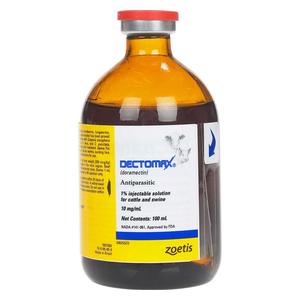
Dectomax and Dectomax-CA1 Injectable (doramectin) for Cattle and Swine
Zoetis Animal HealthAs low as:$77.99 -
-
-
-
-
-
-
-

-