
Are Your Piglets Getting a Healthy Start?
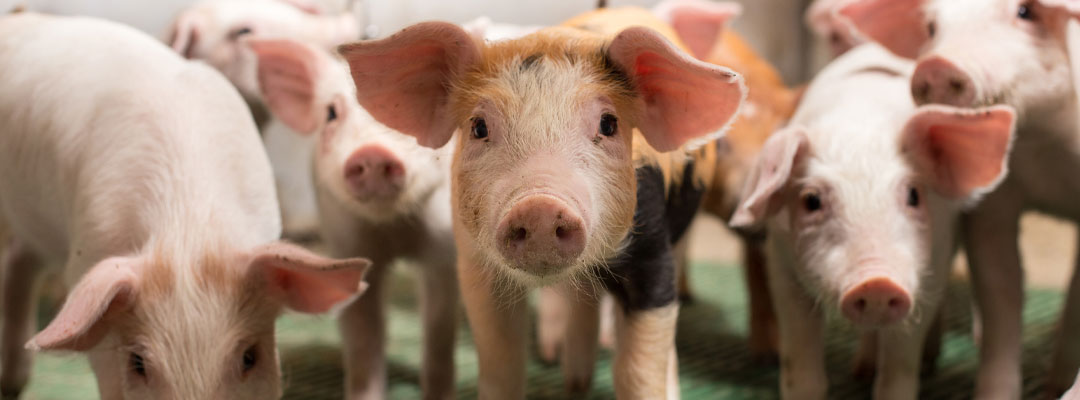
A strong piglet start depends on more than what happens at farrowing. Iron supplementation, sanitation, vaccination programs, and protecting sow immunity all play critical roles in early piglet health.
Dr. Laura Meier, Technical Service Veterinarian at Valley Vet Supply, shares how putting the right practices in place may help reduce disease risk and support stronger, more productive pigs.
Iron Shots
Piglets are born with limited iron reserves, and sow milk provides minimal iron. Without supplementation, piglets are at risk of developing anemia, which can negatively impact growth and overall health. For this reason, a common industry practice is to administer an iron injection shortly after birth, typically within one to three days.
Recommendations:
Sanitation and Biosecurity
To minimize disease transfer between farrowing crates, use clean footbaths when entering each farrowing room. Maintain and change disinfectant foot dips regularly. Virkon-S is a strong option for swine biosecurity due to its high efficacy and versatility in footbaths, pen disinfection, and air misting.
To further reduce disease spread, follow this daily chore order:
Implement all-in, all-out management at the room or building level. Completely empty facilities between groups, then thoroughly clean and disinfect before introducing new pigs.
Piglet Vaccinations and Deworming
Vaccination programs for piglets can vary by operation and disease pressure. Work with your veterinarian to develop a protocol that fits your herd. The following are general guideline examples.
One Week Old
Three Weeks Old
Deworming
Weaning is a good time to deworm piglets to help support overall health and immune function.
Options for growing piglets include:
Sow and Gilt Vaccinations
Do not forget about the dams. Pre-breeding vaccinations support reproductive success and help reduce abortions and reproductive losses.
Pre-Breeding Vaccination Recommendations
Farrowsure Gold B or Parvo Shield L5 E
PRRS
Good preparation and consistent protocols lead to healthier piglets and fewer setbacks. Investing in these foundational practices pays off through stronger litters and better long-term results.