
Keys to a Successful Farrowing
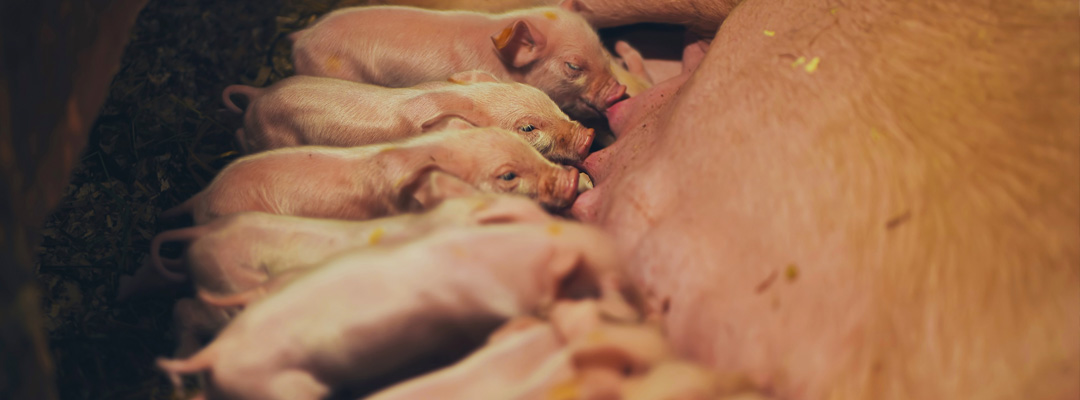
A successful farrowing begins long before the first piglet arrives. From monitoring labor to ensuring early colostrum intake and managing sow comfort, small management decisions can have a significant impact on outcomes.
Dr. Laura Meier, Technical Service Veterinarian at Valley Vet Supply, shares why being present, prepared, and observant helps set both the sow and her litter up for a strong start.
Farrowing
During active farrowing, be present to monitor progress, identify potential problems early, and assist when needed.
In a normal farrowing, sows typically give birth to piglets every 15 to 30 minutes. Dry piglets immediately after birth and provide a safe heat source, such as a heat lamp or heating pad. Position heat lamps away from the sow to prevent overheating and far enough from piglets to avoid burns. Secure lamps properly, as piglets may bump them, chew cords, break bulbs, or create a fire hazard.
If all piglets are dry and the placenta has not been expelled, perform a vaginal exam to determine whether additional piglets remain or if one may be stuck.
Ensure every piglet receives adequate colostrum.
"Keep a colostrum replacer on hand as a backup," says Dr. Meier. "If porcine colostrum is unavailable, bovine colostrum can be used as a substitute. You may also milk surplus colostrum from other sows, freeze it, and use it for compromised piglets."
Colostrum Supplements:
Keep a nursing bottle available for piglets that need assistance. Remember, the ability to absorb antibodies declines rapidly after six hours and is nearly gone by 24 hours after birth.
Stillborn and Mummies
Unfortunately, it is not uncommon for some piglets to be stillborn or die shortly after birth. Common causes include, chilling, inadequate colostrum intake, being stepped on or laid on, exhaustion from difficulty passing through the birth canal. Piglets that struggled during delivery may appear yellow in color because of meconium (first feces) staining.
"To protect the remaining litter, the sow can isolate and effectively wall-off piglets that die before farrowing, resulting in mummification," says Dr. Meier. "Observing mummified piglets can provide useful insight into when fetal loss occurred. Small mummies (mouse-sized) typically indicate loss during the second trimester, while larger mummies suggest death occurred during the third trimester."
Keep records of stillborns and mummified piglets. Tracking these losses over time can help identify potential disease challenges, nutritional gaps, or management practices that may need adjustment.
Pain/Inflammation Management
Farrowing is physically demanding, and rapidly changing hormones can intensify discomfort. This combination may make sows and gilts more irritable during labor, increasing the risk of injury to themselves, their piglets, or caretakers.
"Maintain a calm, quiet, and comfortable environment whenever possible," says Dr. Meier. "During hot weather, use fans and cool water soaks to help prevent overheating. Provide an opportunity for nesting behavior. In a crate setting, this can be accomplished by offering a small amount of alfalfa or other suitable material for the sow to root and arrange."
Consult with your veterinarian about an appropriate pain and inflammation management protocol after all piglets have been delivered.
To support energy and calcium levels during farrowing, especially in older sows and gilts, having a product such as Swine Nutri-Drench available can be helpful.
A calm environment, early intervention, and attention to detail go a long way during farrowing. When producers prioritize these fundamentals, they help build a healthier start for piglets and a smoother recovery for sows.