
Group Housing Calves: Benefits and Best Practices
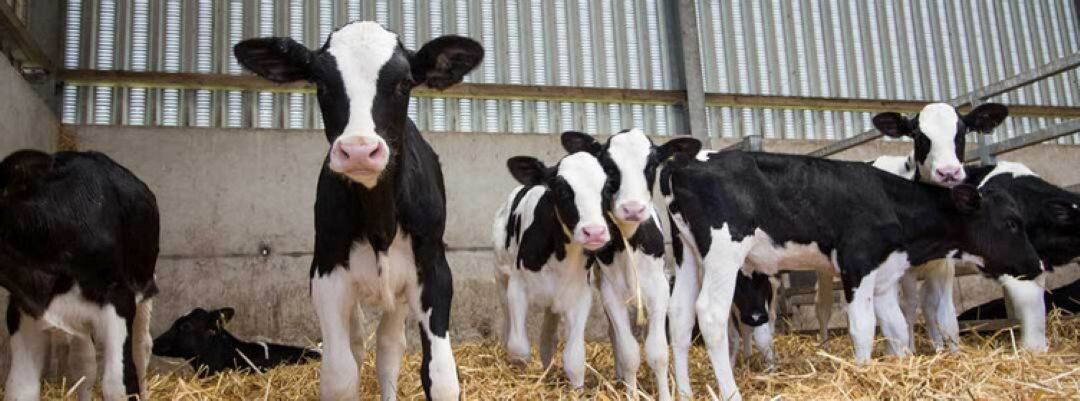
Group housing calves can have a major impact on their health, behavior, and long-term performance. While there are clear benefits to socializing calves early, producers must also manage potential health risks.
Dr. Laura Meier, Technical Service Veterinarian at Valley Vet Supply, shares insight into both the advantages and challenges of group housing, along with practical strategies to help calves thrive in these environments.
What are the Main Health Benefits of Group Housing Calves?
Cattle are herd animals, and even pairing calves with just one companion can provide significant benefits:
What are the Most Common Health Challenges Associated with Group Housing?
Group housing generally reduces the incidence of scours, but it can increase the risk of respiratory issues. These problems often link to husbandry factors, such as inadequate ventilation and bedding management.
How can Producers Minimize Disease Spread in Grouped Housing?
Keep the age difference between the oldest and youngest calves in a group to less than 10 days.
Clean pens regularly, at least once a week, and more often if calf numbers or environmental conditions require it. A simple task: kneel in the bedding, if your knees remain clean and dry, the bedding is adequate. If wet or soiled, it needs cleaning. Calves often curl their heads while resting, placing their noses and mouths close to the bedding, which is why keeping it dry and clean is critical.
Ideally, each hutch or pen should have a one-week rest period before new calves are moved in.
How Can Farmers Monitor Calf Health Effectively in Group Settings?
Ensure the calf receives high quality colostrum within the first six hours of life. Ideally, each calf should receive 200 grams of IgG in their first feeding. If the dam cannot provide enough colostrum, a suitable replacement is Bovine IgG Colostrum 200. Choose a replacement made from natural bovine colostrum to ensure optimal immunity.
Colostrum management combined with intranasal vaccines is an effective way to provide preventative care in calves. Antibodies from the dam's colostrum do not block intranasal vaccines, allowing them to provide immediate immunity. Examples include Nasalgen 3- PMH and Inforce 3. An additional immune stimulant that can complement a vaccine protocol is Amplimune Immunostimulant for Calves.
Keep up with routine monitoring of the herd, paying attention to calf demeanor and drinking behavior. If a calf hangs back, appears lethargic, or seems less alert, it's time to assess the situation. A calf that requires nudging to rise or does not stretch upon standing may be unwell.
Rectal temperatures are an excellent starting point, readings outside the 100-103° Fahrenheit range indicate a potential issue that needs attention. Drinking speed is another useful indicator, calves that drink slower than normal or fail to finish a meal may require a closer check. In young calves, health issues can escalate quickly, so timely intervention is essential.
With proper management, group housing can support healthier, more adaptable calves that perform better long-term. By staying proactive about hygiene, monitoring, and early immunity, producers can reap the benefits of social housing while minimizing disease risks.