Group Housing Calves: Setup and Cleaning Tips
Group housing can be an efficient, welfare-friendly way to raise calves, but success depends on proper planning, facility design, and daily management.
Dr. Laura Meier, Technical Service Veterinarian at Valley Vet Supply, shares her expert guidance on facility setup, bedding, ventilation, and hygiene to help producers successfully manage group housing systems.
What is the Recommended Stocking Density for Calves?
Providing adequate space for each calf in a group is essential. Recommended usable, bedded resting space ranges from 30 to 40 square feet per calf.
Keep the age difference between the oldest and youngest calf in a group to less than 10 days. Plan group sizes based on predicted herd size and calving rates, and design pens accordingly.
What is the Best Bedding Depth for Calves?
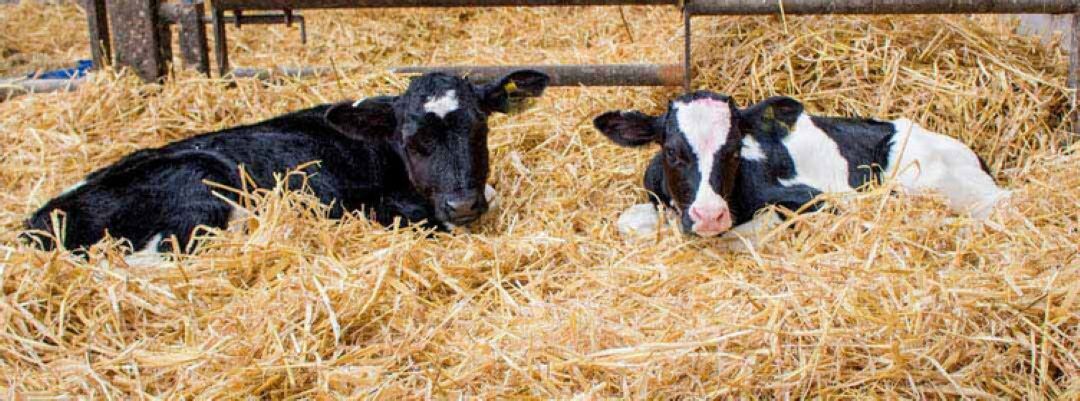
Young, preweaned calves regulate body temperature less efficiently than older calves. I use nesting scores to help clients determine how much bedding is appropriate. Keep in mind that bedding needs change with the seasons and the age of calves.
Nesting Score 1
Nesting Score 2
Nesting Score 3
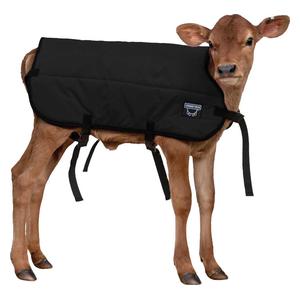
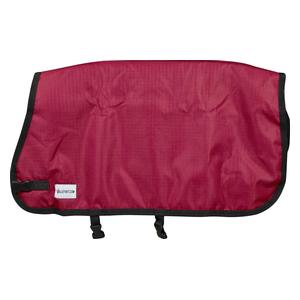
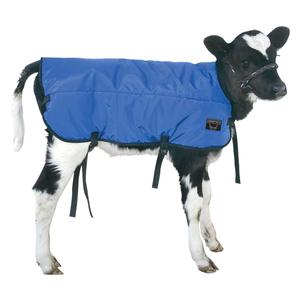
Examples of calf coats are Single or Double Insulation Calf Blankets or Premium Calf Blankets.
What Does Proper Ventilation Look Like in Calf Housing?
Proper ventilation is essential. A minimum of four air changes per hour helps reduce moisture and pathogen levels in a calf barn. However, it's important that these air changes do not create drafts on newborn calves during winter. Ideally, air from older calves should not flow toward younger or newborn calves.
Ammonia levels can be checked using strips such as Hydrion Ammonia Test Paper. Measure at calf breathing height when they are both standing and lying down. Keep ammonia below 10 ppm, and if possible, under 5 ppm, because higher levels can cause irreversible lung damage.
How Should Feeding and Housing Equipment Be Cleaned for Bottle Calves?
Beyond proper housing and ventilation, hygiene plays a crucial role in calf health. Clean equipment and bedding are just as important as space and airflow.
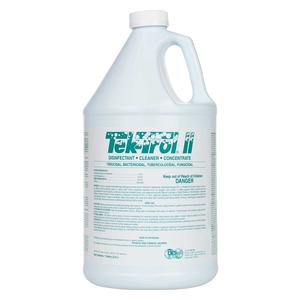
Change bedding frequently and keep pens and huts clean, with special attention to feeding equipment. Recommended disinfectants include Virkon S Disinfectant and Virucide and Tek-Trol Disinfectant Cleaner Concentrate.
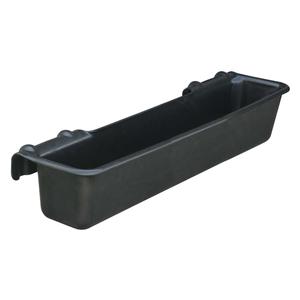
Clean troughs daily to maintain freshness and encourage intake. Troughs made from poly materials that are easily removable, such as clip-on feeders or hook-over buckets or troughs, are ideal for regular cleaning and disinfection.
Porous materials, like wood, are difficult to sanitize completely, allowing pathogens to hide and multiply, increasing the risk of infection. Even non-porous equipment can develop nicks or scratches over time; these should be retired to prevent contamination. This applies to all feeding preparation equipment, including buckets, bottles, nipples, bolus guns, and drench tubes. Milk residue on feeding equipment provides a breeding ground for harmful bacteria, and dirty bottles or nipples are a primary route for pathogen transmission, potentially leading to scours and other illnesses in young calves.
With proper space, bedding, ventilation, and strict hygiene, group housing can support healthy, thriving calves and set them up for strong growth from the start.