How Daily Management Practices Can Help Prevent Mastitis
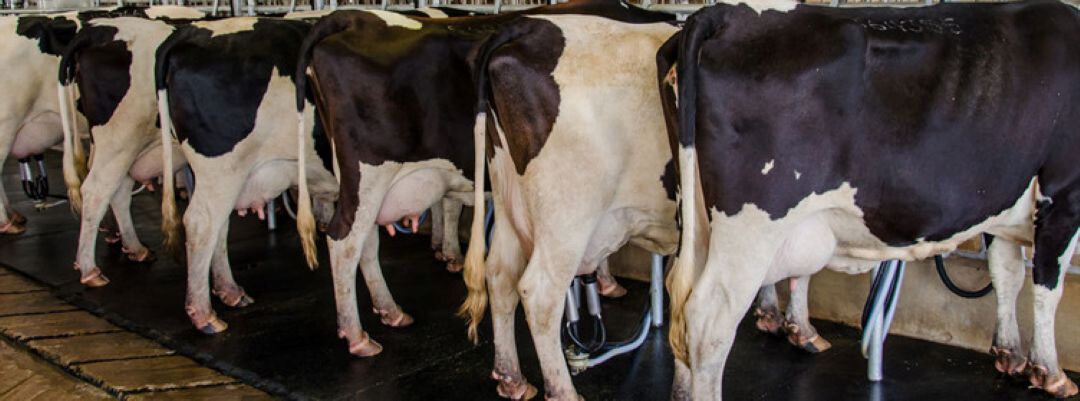
Maintaining strict hygiene throughout the dairy cow's routine is essential for keeping teats clean and healthy. This applies not only to lactating cows but also to heifers and dry cows.
Dr. Laura Meier, Technical Service Veterinarian at Valley Vet Supply, offers expert guidance on daily management practices that help reduce mastitis risk and support udder health.
What Role Do Housing and Bedding Play in Mastitis Prevention?
Barn husbandry is crucial. Keep housing facilities as clean as possible by grooming stalls daily and applying fresh bedding regularly to reduce the risk of cross-contamination between cows.
Bacteria multiply rapidly in warm, moist environments, making dry, clean bedding essential. Eliminate standing water in pens, even walking through wet manure or slop can splash onto teat ends and increase mastitis risk.
What Does Proper Milking Routine Hygiene Look Like?
Use appropriate pre-milking and post-milking solutions to maintain teat health and reduce the risk of mastitis.
Teat dips must cover the entire teat. Cups such as the Ambic DipCup Teat Dipper feature a deep inner liner to prevent used dip from returning to the reservoir. The angled cup design makes it easy to reach all four quarters for optimum coverage.
Pre-dip is crucial for removing debris and bacteria from the teat and surrounding environment. Allow adequate contact time, about 30 seconds, before wiping it away. Be sure to clean both the teat surface and the teat opening.
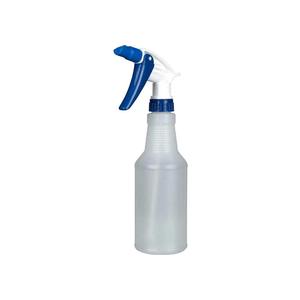
Post-dip removes the milk film left after milking and helps seal the teat canal. Products such as Fight Bac Teat Disinfectant Mastitis Control for Dairy Cows disinfect and condition the teat with minimal contact, reducing the risk of spreading contaminants. The cool spray also speeds closure of the teat sphincter, preventing bacteria from entering the canal. Tools like the Draw n Spray Teat Sprayer deliver a solid upward spray, covering teats and udders efficiently with minimal waste or contamination.
Stripping the foremilk is one of the most important steps in milking. Remove foremilk before attaching the milking unit, as it contains the highest somatic cell counts. Aim for a total time of 60-90 seconds from initial stimulation to unit attachment to encourage optimal letdown.
What Are Some Additional Milking Hygiene Practices?
Why Does Proper Milking Technique Matter?
Maintaining proper hygiene, using paper towels, pre-milking dips, and post-milking dips, reduces the risk of bacteria entering the udder and causing mastitis. Correct attachment and removal of milking units, along with proper udder stimulation, help prevent irritation and damage to teat tissue. Damaged teats remain open, allowing bacteria to enter the teat canal, and may leak throughout the day, increasing the risk of mastitis spreading from cow to cow.
A low-stress environment and consistent, routine preparation enable cows to release milk efficiently. Consistent and careful milking routines stimulate milk letdown and improve milk harvest, ultimately supporting higher milk production.
Why is Equipment Maintenance Important in Mastitis Prevention?
Routinely servicing and maintaining the milking machine ensures it operates efficiently and reliably. Faulty equipment can lead to longer milking times and reduced milk yields. Worn liners and lines may harbour bacteria in cracks, increasing the risk of mastitis. Monitor cows during milking, if they appear unsettled, it may indicate a problem with the equipment.
Preventing mastitis starts with daily attention to detail. Clean facilities, proper milking routines, and reliable equipment all work together to protect udder health and your herd's productivity.