
Preparing Ewes and Does for a Successful Lambing and Kidding Season
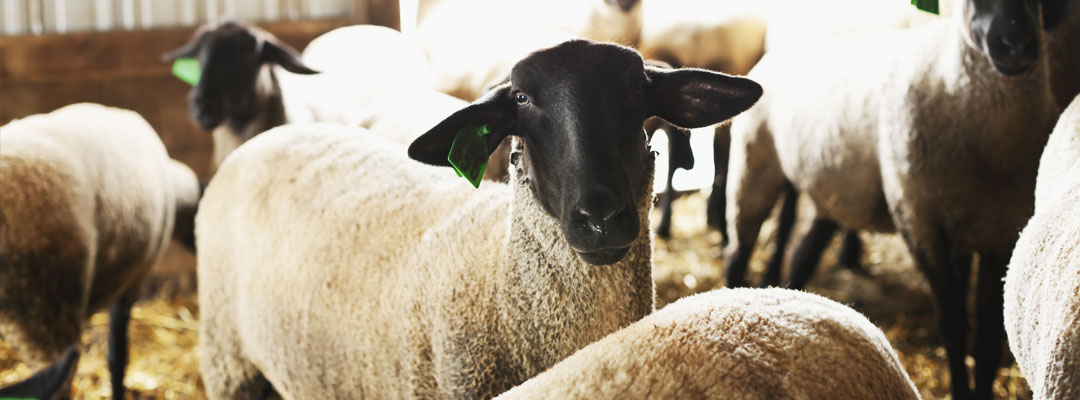
Lambing and kidding season bring higher demands on both animals and producers, and success often depends on preparation well before the first lamb or kid arrives. From maintaining proper body condition to ensuring adequate space, nutrition, and water, late-gestation management plays a critical role in reducing complications and supporting healthy deliveries.
Dr. Laura Meier, Technical Service Veterinarian at Valley Vet Supply, shares key management considerations to help producers prepare ewes and does for a successful lambing and kidding season.
Body Condition
"Pay close attention to the body condition of pregnant ewes and does, especially during the last trimester," says Dr. Meier. "An ideal body condition score at this stage is 3 to 3.5. At this score, the fat should cover the backbone well, and you should only feel the spinous processes with light pressure."
You cannot correct body condition quickly. Monitoring condition throughout pregnancy is essential. Significant changes in either direction late in gestation increase the risk of dystocia, pregnancy toxemia, and reduced milk production.
Facility Space
Overcrowding can lead to health issues before birth, metabolic disorders, and complications after delivery. Keep pens clean and dry, and ensure facilities provide good ventilation that allows fresh air movement without creating drafts.
"Provide at least 16 square feet of pen space per ewe or doe, along with approximately 16 inches of bunk space per animal, so all animals can eat comfortably at the same time," says Dr. Meier.
Producers may also use jugs, small pens typically measuring 4 feet by 4 feet, to house a ewe or doe and her newborn lambs or kids for the first 24 to 48 hours after birth. Jugs support bonding and allow for close monitoring during the critical period immediately following delivery.
Vaccinations and Immunizations
High-quality colostrum is critical for passing antibodies from the dam to newborn lambs and kids when they nurse shortly after birth.
"Ewes and does begin producing high-quality colostrum about one month prior to birth, which makes this the ideal time to administer vaccinations," says Dr. Meier.
CD + T
Provides protection against clostridial diseases that can cause bloating, tetanus, and sudden death in lambs.
Products
Respiratory Vaccines
May provide antibody protection to young animals during the first two months of life.
Product
Deworming
A ewe or does immunity to internal parasites decreases around lambing and kidding, typically from two to four weeks before birth through six to eight weeks after. This leads to increased egg shedding and greater pasture contamination, which raises risk for newborns. Deworming the dam during this window can help reduce environmental exposure.
Some parasites, such as threadworms, can also pass through the placenta, making deworming an important preventative step.
Nutrition and Water
Ensure free-choice minerals are available, with adequate levels of vitamin A, vitamin E, and selenium. Producers must feed sheep-specific minerals and goat-specific minerals to each respective species. Goat minerals contain copper levels that are toxic to sheep, while sheep minerals are deficient for goats, underscoring the importance of using the species-specific feeds as indicated on feed packaging.
Failing to meet these micronutrients can result in poor fertility, weak lambs or kids at birth, reduced milk production, impaired immune function, and metabolic disorders.
"During the third trimester, focus on high-energy, nutrient-dense feeds such as alfalfa or grass hay mixes, supplemented with concentrates (grain) to support rapid fetal growth," says Dr. Meier. "As fetuses grow, space in the abdominal cavity decreases and rumen capacity shrinks. To meet energy needs, increase grain intake while ensuring free-choice hay and adequate bunk space so all animals can eat at the same time."
With less rumen capacity, ewes and does consume multiple smaller meals throughout the day. Fresh feed and clean water must be available at all times. Failure to meet increased energy demands during late gestation commonly results in pregnancy toxemia.
"As a general rule of thumb, feed about 1 pound of grain per fetus when carrying twins or triplets," says Dr. Meier. "Divide daily grain ration into two or more feedings to reduce the risk of rumen overload and acidosis. You should always make any ration changes gradually over several days."
Water is a critical, often overlooked nutrient. Clean, fresh water should be available at all times to support intake, digestion, and overall health.
Pregnancy Toxemia
Pregnancy toxemia occurs when pregnant ewes or does use more energy than they consume. This energy deficit leads to low blood sugar (hypoglycemia) and fat breakdown, causing ketone levels to rise. Most cases develop one to three weeks before birth.
Common signs include:
"Animals that are overly fat or fail to meet energy requirements during late gestation are at the highest risk," says Dr. Meier. "Prevention relies on maintaining proper body condition throughout pregnancy and providing nutrition appropriate for the stage of gestation."
Treatment focuses on restoring energy levels and addressing factors limiting intake. This typically includes administering a concentrated energy source, such as propylene glycol, and preparing the ewe or doe for delivery of lambs or kids.
Supplies to have on hand include:
Preparing ewes and does for lambing and kidding is not about last-minute fixes, but about consistent management throughout pregnancy. By monitoring body condition, providing adequate space, meeting nutritional and water needs, and recognizing early signs of metabolic stress, producers can reduce the risk of complications and support healthier outcomes for both dams and their offspring. When questions arise or challenges develop, working closely with a veterinarian helps ensure timely intervention and a smoother lambing and kidding season.