
Setting Lambs and Kids Up for Success
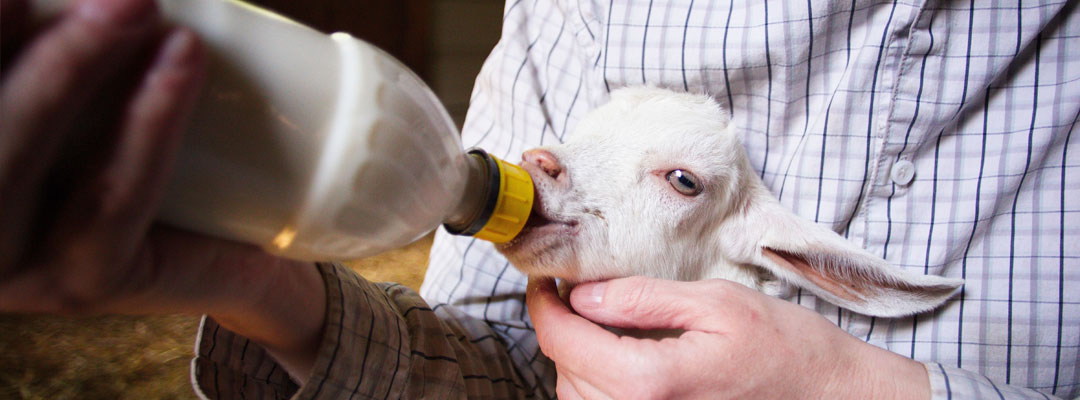
The first hours and weeks of a lamb or kid's life set the foundation for long-term health and performance. From colostrum intake to nutrition, housing, and daily care, small management decisions can make a significant impact.
Dr. Laura Meier, Technical Service Veterinarian at Valley Vet Supply, shares key management considerations to help producers support strong starts and long-term health in lambs and kids.
Birthing and Immediate Newborn Care
After birth, place the ewe or doe and her newborn lambs or kids in a jug to support bonding and allow for close monitoring. Jugs are small pens, typically about 4 feet by 4 feet, and used for the first 24 to 48 hours after delivery.
Spray each newborn's navel with iodine to help prevent infection. Provide deep, clean straw so lambs and kids can nest and stay warm. Heat lamps can be used when needed, but position them safely in a corner to avoid overheating the dam or creating fire risk.
Confirm that newborns are up and nursing as soon as possible. Ideally, lambs and kids should nurse within two hours of birth to receive adequate colostrum.
Colostrum Replacers
If the dam does not have sufficient colostrum available, consider a true colostrum replacer such as:
Choose products made from dried bovine colostrum rather than serum-based ingredients. Newborns should receive approximately 10% of their body weight in colostrum within the first six hours after birth.
Colostrum Supplements (use in addition to Dam's Colostrum)
These products provide supplemental antibodies but do not replace a true colostrum replacer.
Dehorning
Apply dehorning paste when horn buds can be felt or as early as possible. Helpful tips from Dr. Meier:
Nutrition
Bottle Feeding
Feed approximately 10% of a lamb or kid's body weight in milk replacer per day.
"Lambs and kids naturally consume multiple small meals," says Dr. Meier. "During the first 10 days of life, provide four to five smaller feedings per day to meet daily intake needs and help prevent slug feeding and bloat."
After 10 days, gradually transition to three feedings per day until weaning. Weaning typically occurs around 6 to 8 weeks of age, but lambs and kids should be consuming creep feed well, approximately 3% of their body weight, before milk is removed.
Creep Feeding
Creep feeds should be palatable, fresh, and formulated to limit sorting. Adding molasses can help bind ingredients and improve intake. Common ingredients lambs and kids readily consume include soybean meal, roasted soybeans, corn, and alfalfa hay.
Provide free-choice access to grass hay or an alfalfa/grass mix. Avoid feeding hay directly on the ground, as this increases the risk of fecal-oral disease transmission, including parasites, bacteria, and viruses.
Urinary Stones
"Urinary stones can occur in male lambs and kids when the calcium-to-phosphorus ratio in the diet is unbalanced," says Dr. Meier. "Adding ammonium chloride helps acidify the urine and reduce crystal formation."
Adequate exercise and consistent access to clean, fresh water also help lower risk.
Clean, Fresh Water
Water should be available in buckets positioned at an appropriate height for lambs and kids. Place a water source inside the creep area as well. Products like Horse Trough Protector are safe for all species and keep water cleaner between routine scrubbing.
Minerals
Provide free-choice minerals. Sheep require sheep-specific minerals, and goats require goat-specific minerals. These species should not share minerals because of the copper toxicity risk in sheep and copper deficiency in goats.
Products to consider:
Dr. Meier's Vaccination Recommendations (Pre-Weaning)
"Clostridial diseases, often referred to as the "overeating disease", along with tetanus, are major health concerns in sheep and goats," says Dr. Meier. "Tetanus is especially important to address when banding for castration or tail docking."
6 Weeks of Age
CD+T Vaccine
Respiratory Vaccine
Deworm
8 Weeks of Age
Booster - CD+T, wait two weeks after the booster before banding tails or castrating
Booster Respiratory Vaccine
Weaning
"Coccidiosis is a common challenge at weaning," says Dr. Meier. "Consider adding a coccidiostat to feed or water for prevention."
A veterinarian should direct this process, as most products are extra-label for sheep and goats.
Other Vaccines to Consider Based on Your Herd
Facility and Spacing
Creep areas are highly encouraged when raising lambs and kids. These areas allow young animals to move away from ewes and does and access feed formulated specifically for them. "Creep areas should be dry, free from drafts, and well bedded," says Dr. Meier. "When lambs or kids are lying down, their legs should not be visible, which indicates adequate bedding depth."
Heat lamps may be used if they can be installed safely. In some cases, natural sunlight from a window can also provide sufficient warmth.
Provide approximately 1.5 to 2.0 square feet of creep space per lamb or kid. Feeder space should allow about 2 inches per head. As lambs and kids grow, increase creep space and feeder capacity accordingly.
Allow 15 to 20 square feet per ewe and lamb pair or doe and kids for overall pen space.
"Higher stocking densities increase the risk of disease and stress," says Dr. Meier. "Providing adequately sized facilities supports animal health and welfare."
Weaned lambs and kids with access to an outdoor lot should have 20 to 30 square feet per head.
Husbandry
Bedding for lambs and kids must be dry, clean, and deep enough for them to nest and stay warm. Check bedding daily by kneeling; if your knees come up wet or dirty, it is time to add fresh bedding.
Keep feeders and water buckets or tanks clean and free of organic material such as feed, dust, and feces. Routinely scrub and disinfect feeding equipment. Poly feeders are easy to clean and disinfect and are strongly recommended:
Provide proper ventilation while protecting lambs and kids from drafts. Create draft-free resting areas using poly panels or stacked hay bales. Air must continue to move to prevent ammonia buildup. Clean, dry pens help control ammonia levels, with a target of 4 to 6 air changes per hour. Check airflow at the level of the lambs and kids, not just higher in the building.
Healthy lambs and kids start with consistent, thoughtful management. By focusing on early colostrum intake, proper nutrition, clean housing, and preventative health practices, producers can reduce disease risk and support steady growth. When questions arise, working with a veterinarian helps ensure timely adjustments and the best outcomes for young stock.