Spring Calving Vaccinations
Typical vaccination program for spring calving cow herds.
Keeping cattle healthy starts with a plan. Vaccines, parasite control, and a few key management decisions can go a long way in protecting your herd from common diseases that impact performance, reproduction, and overall profitability.
Whether you are working calves or managing a mature cow herd, having the right products on hand and using them at the right time helps set your operation up for success.
Why Vaccination Matters in Cattle
Disease pressure can show up quickly, especially during stressful periods like weaning, transport, breeding, or weather changes. A consistent vaccination program helps:
Vaccines are most effective when paired with good nutrition, low-stress handling, and proper timing.
Calf Vaccination Protocol: Building Early Immunity
Calves are more vulnerable to disease, especially early in life and around weaning. Starting with core vaccines helps build a strong immune foundation.
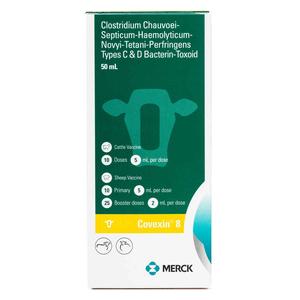
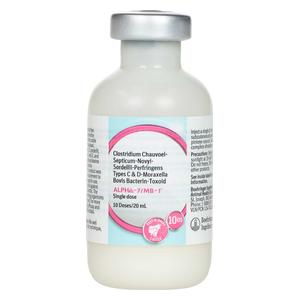
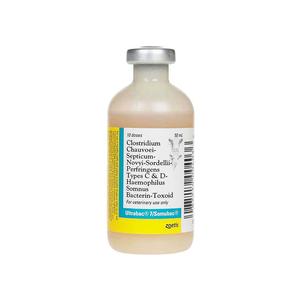
Blackleg and Clostridial Protection
Clostridial diseases, including blackleg, can cause sudden death in young cattle. Vaccination is one of the most reliable ways to prevent loss.
Common options include:
These vaccines are typically given early and may require a booster dose depending on your program.
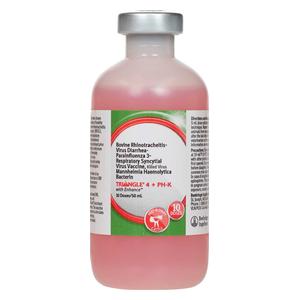
Respiratory Protection for Calves
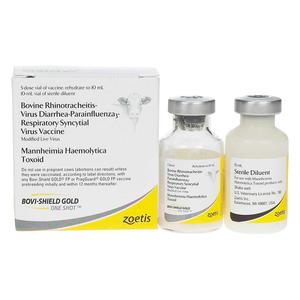
Bovine respiratory disease (BRD) is one of the most common health challenges in calves, especially during weaning or commingling.
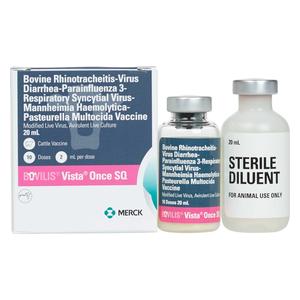
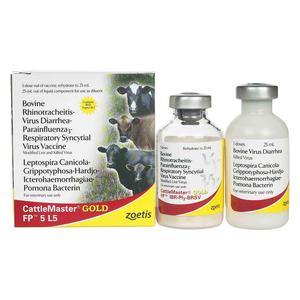
To help reduce risk, consider one of the following:
These vaccines help protect against key viral and bacterial pathogens that contribute to respiratory illness.
Cow and Bull Vaccination: Protecting Reproduction
For mature cattle, the focus shifts to reproductive health. Diseases that impact breeding can lead to open cows, abortions, or weak calves.
Pregnancy Protection Vaccines
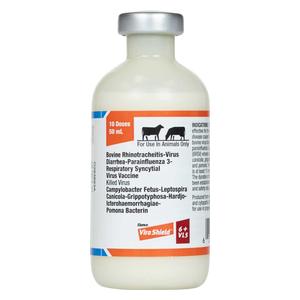
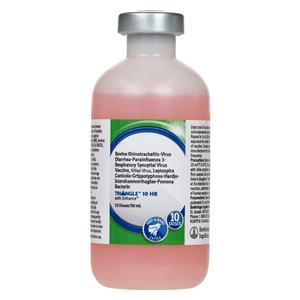
A strong pre-breeding vaccination program helps support fertility and protect developing calves.
Common options include:
The vaccines are often given ahead of breeding season to help maximize protection.
Pinkeye Prevention in Cattle
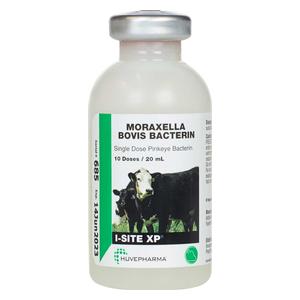
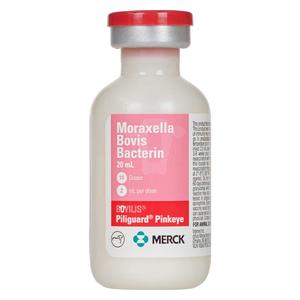
Pinkeye can spread quickly in the summer, especially when flies are active. While not always included in every program, vaccination can help reduce severity and spread.
Options include:
Managing flies and pasture conditions alongside vaccination helps improve results.
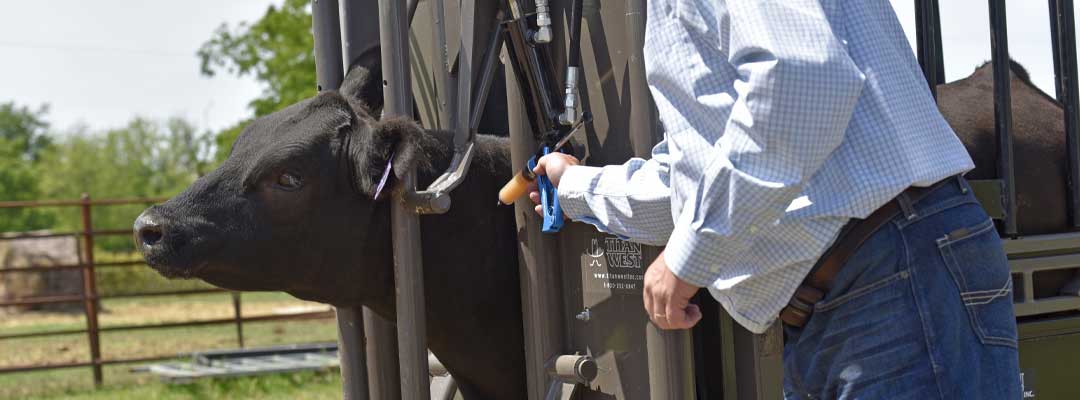
Injection Best Practices: Needle Size and Technique
Using the right needle size and injection method helps ensure vaccines are effective and reduces stress on the animal.
Always follow label directions and give injections in the recommended location, typically in the neck area.
Parasite Control and Seasonal Management
A complete herd health program goes beyond vaccines. Internal and external parasites can impact weight gain, feed efficiently, and overall health.
Deworming
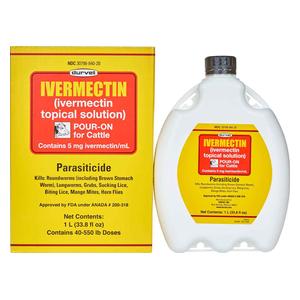
Strategic deworming, often in the spring and fall, helps keep parasite loads under control.
Fly and Lice Control
Flies and lice are more than a nuisance. They can spread disease and reduce performance.
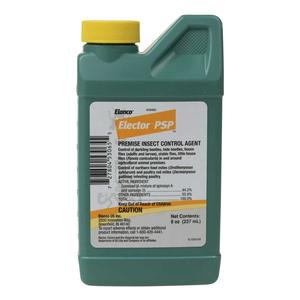
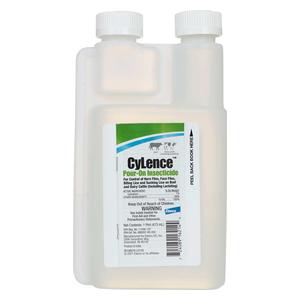
Common control options include:
Fly tags can also provide long-term control during peak fly season.
Additional Considerations
There is no one-size-fits-all program. Your herd health plan should reflect your environment, herd size, and management goals.
Work with your veterinarian to fine-tune timing and product selection. Staying consistent with vaccinations, parasite control, and overall management helps protect your investment and keeps your cattle performing the way they should.